


The benefits of co-branding for DTC brands compound across acquisition, retention, and brand equity at the same time. Co-branded landing pages convert 30-214% better than standard affiliate links across CreatorCommerce customers, average order value rises in parallel, and the program scales as repeatable infrastructure rather than one-off campaigns. The biggest advantage isn't any single metric: it's that co-branding solves multiple problems with the same move.
This post breaks down the seven biggest benefits of co-branding, with the data and examples behind each.
What is co-branding?
Co-branding is a marketing strategy where two or more brands collaborate on a product, campaign, or customer experience that combines both brands' identities into a single buying moment. In the modern DTC playbook, co-branding most often takes the form of co-branded creator storefronts: pages where a brand's products are presented through a creator's identity, complete with the creator's photo, curated selections, and personal recommendation.
Co-branding differs from a standard affiliate or influencer arrangement in one key way: the customer experience itself is co-branded. The shopper isn't just routed through a tracking link to a generic site. They land on a page that visually combines both brands and feels like a continuation of the trust they already have with the creator or partner brand.
What are the benefits of co-branding for DTC brands?
The seven benefits below are ranked by impact based on what CreatorCommerce customers actually report. Each is paired with a real example.
1. Lower customer acquisition cost
Paid acquisition has gotten harder across DTC. Meta CAC is up across most verticals, TikTok attribution is fragmenting, and Google search clicks per impression are dropping as AI overviews absorb top-of-funnel queries. Co-branding offers a different cost structure: instead of paying for impressions, brands borrow trust from a partner who already has the audience.
The math works because creators (and partner brands) bring qualified attention. A shopper who clicks a creator's link is already partway through the consideration stage. They don't need top-of-funnel persuasion. They need a frictionless converting experience. Cozy Earth's 600+ co-branded creator storefronts replaced what would have otherwise required significant paid acquisition spend, and the *214% average CVR increase* versus standard affiliate links is a direct expression of how much cheaper the conversion is.
2. Higher conversion rate
Co-branded pages convert better than generic landing pages because shoppers see a continuation of the trust signal they followed to get there. The creator's photo, voice, and curation are still present at the buying moment.
The data across CreatorCommerce customers makes this concrete:
| Brand | Vertical | CVR lift vs. baseline |
|---|---|---|
| Cozy Earth | Fashion | 214% (vs. standard affiliate links) |
| Healf | Health & wellness | 40.8% (vs. homepage affiliate traffic) |
| Buttah Skin | Beauty | 30% (with co-branded landing pages) |
The lifts vary by vertical and baseline, but the pattern is consistent: when a shopper arrives via a trusted creator and lands on a page that visually continues that trust, they convert more often.
3. Higher average order value
Co-branding increases AOV at the same time conversion rate goes up. This matters because most CRO levers force a tradeoff: discounts boost conversion but compress AOV; premium positioning lifts AOV but cools conversion. Co-branding moves both metrics in the same direction.
Cozy Earth saw a *67.37% AOV increase alongside their 214% CVR lift. Buttah Skin saw a 78% AOV increase* alongside their 30% CVR lift. Both numbers reflect the same underlying dynamic: when a shopper arrives via a trusted creator's curation, they're more likely to buy multiple items the creator recommended together. The creator effectively becomes a personal stylist, sleep coach, or skincare advisor, and shoppers treat the recommendations like a curated bundle.
4. Faster trust transfer for new shoppers
The single hardest thing about acquiring a first-time DTC customer is trust. A new shopper has no purchase history, no familiarity with the brand's product quality, and no reason to favor it over the dozen alternatives one Amazon search away.
Co-branding compresses the trust-building cycle by piggybacking on a partner's existing relationship. When a shopper has been following a creator for nine months and that creator says "this is what I take daily," the trust transfer has already happened. The brand just needs to not break it. Co-branded landing pages preserve the trust through checkout: the creator's photo and voice stay present until the order is placed.
5. Repeatable program infrastructure
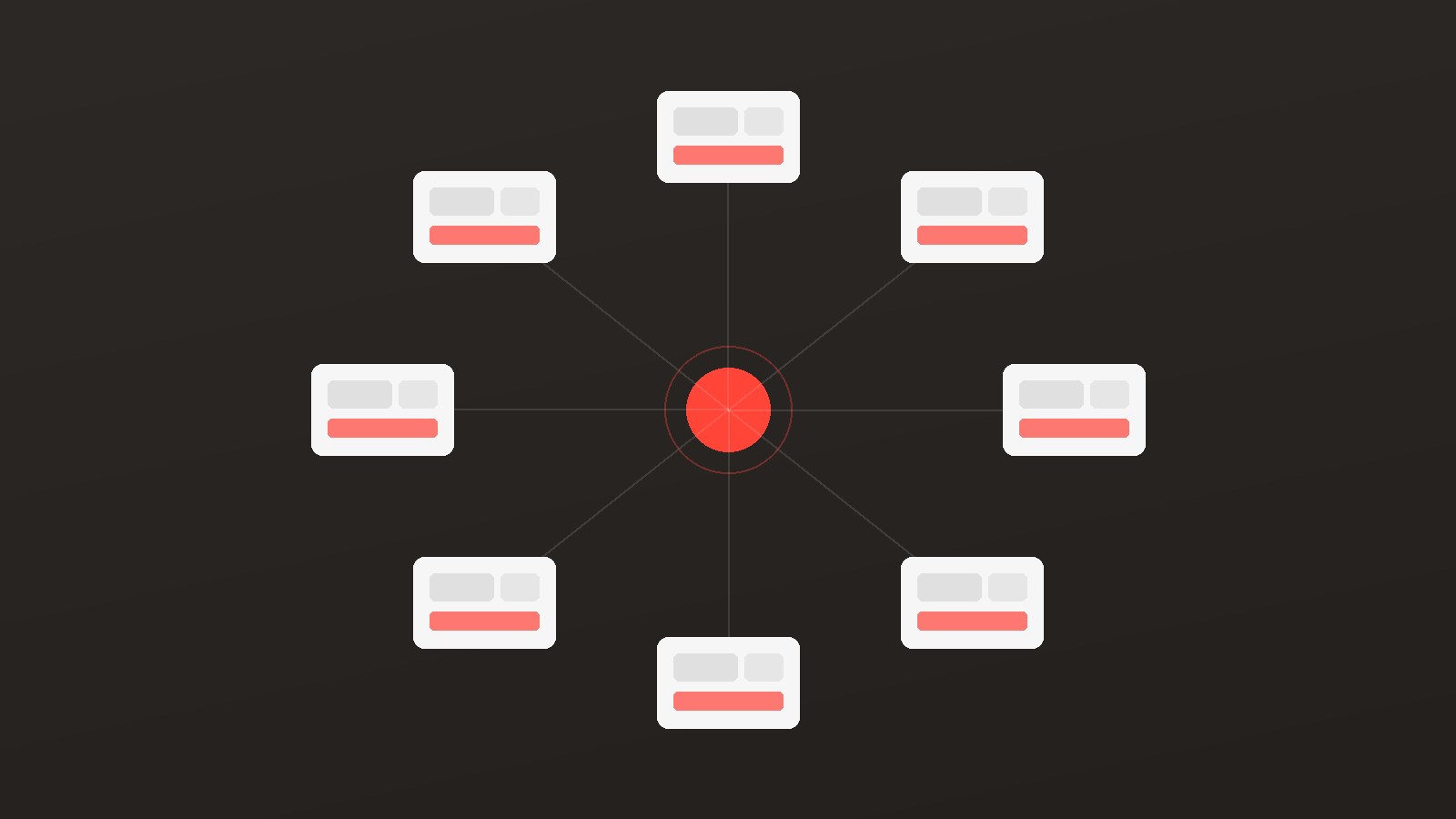
The deepest benefit of co-branding is structural: when the infrastructure is built right, every new partnership uses the same template. Brands can scale from one collaboration to thousands without rebuilding the funnel each time.
Healf has *1,700+ shoppable creator storefronts* running on a single infrastructure layer. Cozy Earth has 600+ co-branded creator pages. The unit economics work because the marginal cost of adding the 1,701st creator is near zero. This is the difference between a marketing tactic (one campaign at a time) and a growth channel (a system that compounds).
6. UGC and content flywheel
Co-branded creator storefronts produce a side effect: creators generate content for their pages as part of setting them up. Reviews, photos, video clips, and testimonials accumulate on the brand's site as a natural byproduct of the partnership.
Healf logged *1,200+ pieces of creator-submitted content* through their co-branded program. That content earns its own search traffic, fills out social channels, and gives the brand a content library it didn't have to commission. The flywheel: more creators → more storefronts → more content → more shoppers → more creators want in.
7. Clean attribution and program insights
Standard affiliate setups rely on UTM parameters and last-click cookies. Both decay quickly: UTMs get stripped, cookies get blocked, devices change. Co-branded creator storefronts solve this at the page level: each creator's storefront is its own URL, and every conversion through it is attributable to that creator without depending on browser-state tracking.
The result is clean per-creator P&L. Cozy Earth tracks revenue across all 600+ creator storefronts cleanly enough to fine-tune offers per creator and update them in real time. Brands can see which creators drive sales (not just clicks), which products different audiences buy, and where to invest more.
How DTC brands can capture these benefits
The seven benefits above all assume the right infrastructure is in place. Without it, co-branding stays in the marketing-tactic bucket: one collab at a time, custom built each time, hard to scale. With infrastructure, it becomes a structural growth channel.
CreatorCommerce is the Shopify-native infrastructure for co-branded creator storefronts that live on the brand's own domain. Brands like Cozy Earth, Healf, Crocs, Buttah Skin, and Electro use CreatorCommerce to capture the seven benefits above at scale: each creator gets a co-branded landing page with their photo, curated products, auto-applied discount, and creator-specific attribution. Pages live on the brand's own domain (so SEO and trust signals are preserved), and every new creator partnership uses the same template. (See getting started with co-branded landing pages for a setup walkthrough.)
CreatorCommerce works alongside affiliate management platforms like Refersion, Social Snowball, and GRIN. Brands keep their existing creator ops stack and add CreatorCommerce as the on-site experience layer. The shopper experience is the differentiator: when a shopper clicks a creator's link, they land on a page with that creator's photo, hand-picked products, and a personal discount that's already applied. The brand's site, but personalized around someone the shopper already trusts.
Co-branding vs. standard affiliate marketing
For DTC brands evaluating where to invest, the decision usually comes down to co-branding vs. a standard affiliate or influencer setup. Both have a place, but they're optimized for different goals.
| Dimension | Standard affiliate | Co-branding |
|---|---|---|
| Customer experience | Generic landing page | Co-branded page with creator's voice |
| Conversion rate | Baseline | 30-214% higher (CC customer data) |
| AOV | Baseline | 67-78% higher (CC customer data) |
| Attribution | UTM/cookie-dependent | Per-storefront, durable |
| Scaling cost | Linear (more creators = more ops) | Near-zero marginal cost per creator |
| Best for | Tracking and payouts | Conversion and retention |
For most DTC brands, the right move isn't to pick one or the other: it's to run an affiliate platform for tracking and payouts AND co-branded storefronts for the on-site experience. They're additive, not competitive.
Frequently asked questions
What are the main benefits of co-branding?
The main benefits of co-branding for DTC brands are lower customer acquisition cost (borrowed trust replaces paid impressions), higher conversion rate (30-214% lift across CreatorCommerce customers), higher average order value (67-78% lift), faster trust transfer for new shoppers, repeatable program infrastructure, a content/UGC flywheel, and clean per-creator attribution. The biggest structural benefit is that co-branding moves multiple metrics in the same direction simultaneously.
How does co-branding lower customer acquisition cost?
Co-branding lowers CAC by replacing paid impressions with borrowed trust. Instead of paying Meta or TikTok to put the brand in front of cold audiences, the brand partners with a creator (or partner brand) who already has the audience. Shoppers arrive partway through the consideration stage, so the conversion path is shorter and cheaper. Cozy Earth's 600+ co-branded creator storefronts replaced what would have otherwise required significant paid acquisition spend.
Why does co-branding increase AOV?
Co-branding increases average order value because shoppers arrive via a creator's curation and treat the curated selection as a bundle recommendation. A creator effectively becomes a personal stylist, sleep coach, or skincare advisor, and shoppers buy the items together. Buttah Skin saw a 78% AOV increase with co-branded pages; Cozy Earth saw 67.37%. Both numbers came alongside conversion rate lifts, which is rare in CRO.
Is co-branding better than affiliate marketing?
Co-branding and affiliate marketing aren't either/or: they're complementary. Affiliate platforms handle creator tracking, payouts, and program management; co-branding handles the on-site experience the affiliate traffic lands on. Most DTC brands get the best results from running both: an affiliate platform like Refersion, Social Snowball, or GRIN for tracking, and CreatorCommerce for the co-branded storefronts that convert that traffic.
How does CreatorCommerce help DTC brands capture co-branding benefits?
CreatorCommerce provides the Shopify-native infrastructure for co-branded creator storefronts that live on the brand's own domain. Each creator gets a co-branded page with their photo, curated products, auto-applied discount, and per-creator attribution. The infrastructure makes co-branding repeatable: brands can scale from one collaboration to 1,700+ (Healf) without rebuilding the funnel each time. Customers report 30-214% CVR lifts and 67-78% AOV lifts.
Related articles



%201.png)
%201.png)
