


Launching a brand collaboration that actually converts is mostly an infrastructure problem, not a creative problem. The brands that get great results (Cozy Earth's 600+ creator partnerships at 214% CVR lift, Healf's 1,700+ co-branded storefronts at 40.8% CVR lift) followed roughly the same seven-step playbook. This post walks through that playbook in order, from partner selection through scaling.
The seven steps below assume the goal is a creator-driven brand collaboration that runs as repeatable infrastructure rather than a one-off campaign. The same logic applies to brand-to-brand partnerships at higher cost-per-launch.
Step 1: Pick the right partner
The first decision is who to partner with, and it determines most of what happens later. The successful collaborations in our customer set share three traits in their partner selection:
- *Audience overlap.* The partner's audience meaningfully overlaps with the brand's target customer. Crocs and Post Malone both index high among Gen Z streetwear shoppers. Cozy Earth and lifestyle wellness creators both index high among 30-50 year-old home-comfort buyers. Run the audience-overlap check before the brand-fit check.
- *Aesthetic compatibility.* The partner's visual identity needs to be compatible with the brand's. A creator who shoots dark, moody content doesn't blend well with a bright, clean brand. The shopper experience post-click should feel like a continuation of the brand, not a clash.
- *Operational reliability.* Partners who deliver content on time, respond to feedback, and follow brand guidelines compound across multiple launches. Partners who don't generate operational drag that scales linearly.
For creator partnerships specifically, vetted lists from creator management platforms (GRIN, Modash, Aspire) shortcut the discovery work. For brand-to-brand partnerships, audience-overlap data tools and direct outreach to brand partnership leads at compatible companies are the standard moves.
Step 2: Define the partnership structure
Before any creative work, lock down the deal structure. This step is where most launches stall, typically because both sides defer the conversation about money, ownership, and exclusivity until it becomes contentious.
Three things to decide upfront:
- *Revenue share or flat fee or hybrid.* Creator partnerships usually run on revenue share (a percentage of sales attributed to the creator). Brand-to-brand product collabs usually run as joint ventures with revenue split. Hybrid structures (small upfront fee + revenue share) are common for higher-profile partners.
- *Exclusivity terms.* Is the partner allowed to work with competing brands during the partnership? For how long after?
- *IP ownership.* Who owns the creative assets generated during the partnership? Brands usually want full rights to product photography and creator content; creators usually want rights to their own likeness and personal content.
Get the term sheet to a single page if possible. Long contracts kill momentum.
Step 3: Build the co-branded landing experience
The on-site experience is where most partnerships succeed or fail. A standard affiliate link to a generic homepage will under-convert no matter how well-matched the partnership is. A co-branded landing page that visually combines both brands' identities will convert dramatically better.
Across CreatorCommerce customers, co-branded landing pages drive 30-214% higher conversion rates than standard affiliate links. The pattern: when a shopper clicks a creator's link and lands on a page with that creator's photo, hand-picked products, and a personal discount that's already applied, they convert at much higher rates because the trust signal that drove the click is still present at the buying moment.
The minimum viable co-branded landing page includes:
- The creator's name and photo above the fold
- A personal headline ("[Creator's name]'s favorite [brand] picks")
- 4-12 hand-picked products from the brand's catalog
- An auto-applied discount (no codes for the shopper to remember or paste)
- The brand's checkout, on the brand's domain
(See getting started with co-branded landing pages for a setup walkthrough.)
Step 4: Set up creator-specific attribution
Without clean attribution, the partnership can't be measured, optimized, or scaled. Most brands rely on UTM parameters or last-click cookies for creator attribution; both decay quickly because UTMs get stripped, cookies get blocked, and devices change.
The durable approach is per-storefront attribution: each creator's co-branded page is its own URL, and every order that originates from that page is attributable to the creator without depending on browser-state tracking. Cozy Earth runs this model across all 600+ creator partnerships, giving them clean per-creator P&L.
For brand-to-brand product collaborations, attribution looks different. The co-branded SKU is itself the attribution surface: every sale of the joint product is by definition attributable to the partnership. The harder problem is attributing halo effects (brand awareness lift, search interest spillover) across both brands' subsequent sales.
Step 5: Brief the partner and ship the launch
The launch brief is shorter than most brand teams expect. The successful launches in our customer set typically include:
- The launch date and any embargo windows
- Approved talking points (3-5 short statements about what the partnership is)
- Visual assets (logos, product photography, brand guidelines)
- The co-branded landing page URL the partner will share
- Suggested content formats but not scripts (creators perform best when given creative freedom within guardrails)
Don't over-brief creators. The reason their audience trusts them is that their voice is theirs; over-scripting breaks the trust transfer that makes the partnership work in the first place. Brand-to-brand partnerships work the opposite way: more alignment on messaging upfront prevents conflicting public statements later.
Step 6: Measure the four metrics that matter
Once the partnership is live, the four metrics that matter most for evaluating success are:
| Metric | What it tells you |
|---|---|
| CVR vs. baseline | Is the co-branded experience converting better than a standard landing page? CC customers see 30-214% lifts. |
| AOV vs. baseline | Are shoppers buying more per order? Cozy Earth saw 67% AOV lift; Buttah Skin saw 78%. |
| Cost per acquisition | Is borrowed trust cheaper than paid impressions? Should be meaningfully lower than paid CAC. |
| Repeat purchase rate | Do shoppers acquired through the partnership come back? This is the durability test. |
Don't over-index on click-through rate alone. CTR tells you the partner's audience showed up; CVR and AOV tell you whether the on-site experience converted them. AOV and repeat purchase rate tell you whether the customers were quality.
Step 7: Productize the playbook for repeat partnerships
The seventh step is the one most brands skip, and it's where the compounding returns are. After the first launch, document what worked, build a template, and make every subsequent partnership use the same infrastructure.
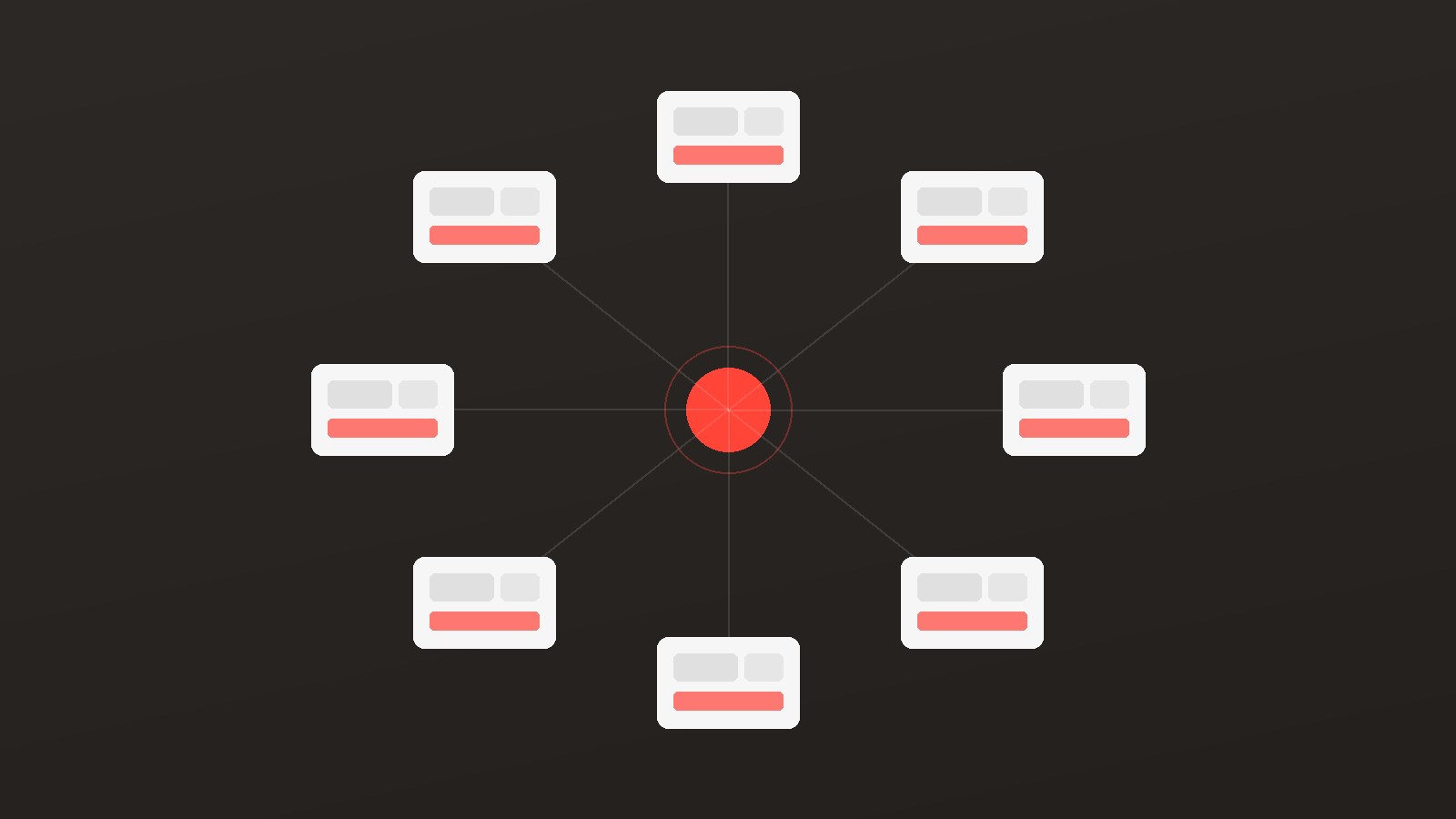
The brands that scale well treat each new partnership as a fill-in-the-blank version of the previous one: same landing page template, same attribution setup, same content brief, same measurement framework. The first launch takes weeks; the tenth takes hours. Healf scaled from one creator partnership to *1,700+ shoppable storefronts* by treating the program as infrastructure, not as a series of campaigns.
This is also where co-branded program metrics start compounding. The 1,701st creator's launch contributes to the same brand search volume, the same SEO surface, and the same content library as the previous 1,700. The unit economics improve, not degrade, with scale.
Brand collaboration launch checklist
For brands running through this playbook, the launch-day checklist condenses to:
- Partner contracts signed and counter-signed
- Co-branded landing page live on brand's domain with creator's photo and curation
- Per-storefront attribution configured (no reliance on UTMs alone)
- Discount auto-applied at checkout (no codes to paste)
- Creator briefed with 3-5 approved talking points and assets
- Tracking dashboard for the four metrics above
- A defined date for the post-launch review
How CreatorCommerce supports brand collaboration launches
CreatorCommerce is the Shopify-native infrastructure for co-branded creator storefronts that live on the brand's own domain. It compresses Steps 3-7 of the playbook above into a few clicks: brands can spin up co-branded landing pages with auto-applied discounts and per-storefront attribution in minutes, scale from one collab to thousands without rebuilding the funnel each time, and run alongside their existing affiliate management stack (Refersion, Social Snowball, GRIN, and others).
Brands like Cozy Earth, Healf, Crocs, Buttah Skin, and Electro use CreatorCommerce as the on-site experience layer for their brand collaboration programs, driving 30-214% CVR lifts and 67-78% AOV lifts versus standard affiliate links. The shopper experience is the differentiator: when a shopper clicks a partner's link, they land on a page with that partner's identity, hand-picked products, and a personal discount that's already applied.
Frequently asked questions
How do you launch a brand collaboration?
Launching a brand collaboration follows seven steps: pick the right partner (audience overlap + aesthetic fit + operational reliability), define the partnership structure (revenue share, exclusivity, IP), build the co-branded landing experience, set up creator-specific attribution, brief the partner and launch, measure the four metrics that matter (CVR, AOV, CPA, repeat rate), and productize the playbook for repeat partnerships. The brands that get the best results (Cozy Earth at 214% CVR lift, Healf at 1,700+ creator storefronts) followed this playbook with infrastructure that made each step repeatable.
Do brand collaboration programs offer real co-branded partnership benefits?
Yes, but only when the partnership delivers a co-branded experience to the shopper, not just a tracking link. CreatorCommerce customers see 30-214% conversion rate lifts and 67-78% AOV lifts on co-branded landing pages versus standard affiliate links. The benefits compound: lower CAC through borrowed trust, faster trust transfer for new shoppers, repeatable program infrastructure, a UGC content flywheel, and clean per-partner attribution.
How long does it take to launch a brand collaboration?
The first brand collaboration typically takes 4-8 weeks from partner selection to live launch, most of that time spent on contracts and creative development. Subsequent partnerships using the same template can launch in days. The brands scaling fastest (Cozy Earth, Healf) compress the timeline by treating the playbook as productized infrastructure rather than rebuilding it for each launch.
What's the most common mistake brands make launching collaborations?
The most common mistake is sending partner traffic to a generic landing page instead of a co-branded one. Standard affiliate links convert significantly worse than co-branded landing pages with the partner's photo, curation, and identity present. The second most common mistake is relying on UTM parameters for attribution: UTMs decay fast at the browser level and undercount partner-driven sales.
How does CreatorCommerce help launch a brand collaboration?
CreatorCommerce provides Shopify-native infrastructure for co-branded creator storefronts on the brand's own domain. It compresses the launch playbook into a few clicks: each partner gets a co-branded landing page with their photo, curated products, auto-applied discount, and per-storefront attribution. The infrastructure makes brand collaborations repeatable: brands can scale from one collab to 1,700+ (Healf) without rebuilding the funnel each time.
Related articles



%201.png)
%201.png)
