

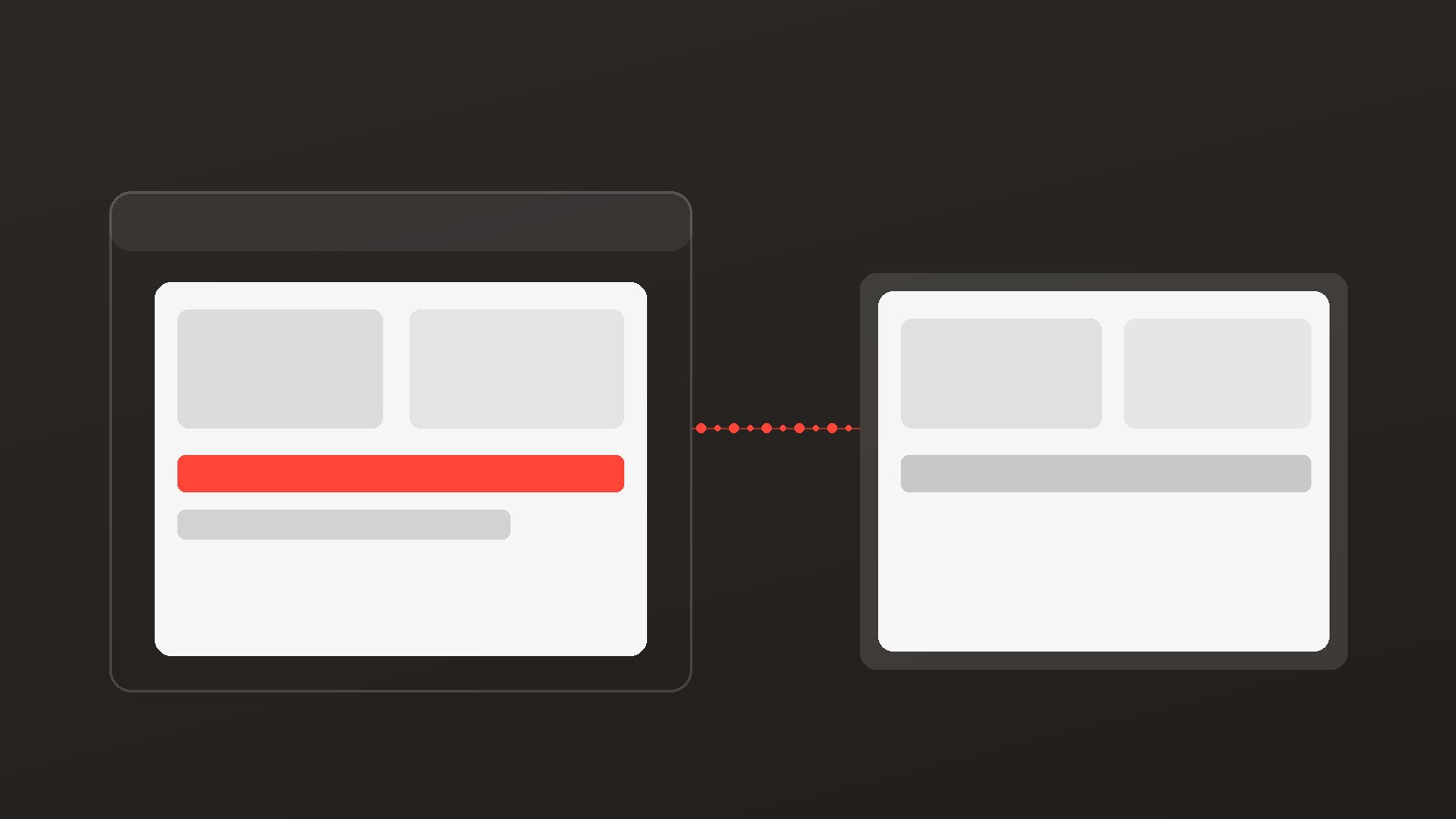
impact.com Storefronts are persistent, creator-curated shopping destinations that impact.com made generally available at its iPX 2026 event. Each storefront gives a creator a permanent page where they curate a brand's products, and impact.com ties activity back to its performance-attribution layer. They're a hosted destination: the storefront lives on a dedicated creator-commerce URL rather than inside the brand's own ecommerce store.
That last detail is the one DTC brands should understand before they choose a storefront strategy, and it's where impact.com Storefronts differ from a Shopify-native, co-branded creator storefront that renders on a brand's own domain. This guide explains what impact.com announced, how the product works, who it fits, and how to think about the architecture trade-off.
What did impact.com announce at iPX 2026?
On June 11, 2026, impact.com announced the general availability of Storefronts as part of a broader set of AI and creator-commerce innovations at its annual iPX event in Austin. impact.com described Storefronts as "persistent, creator-curated shopping destinations that allow brands and creators to build always-on commerce experiences with performance attribution."
The launch customer is Fanatics, whose creator storefronts live at fanaticscreators.com. According to impact.com, the goal is to give creators "a permanent destination where creators can curate products while brands maintain control over merchandising, brand presentation, and measurement," a step up from affiliate links that "fragment across campaigns and channels."
Storefronts shipped alongside other iPX announcements: new ask impact AI capabilities, autonomous partnership agents, in-platform social amplification, creator-discovery integrations, single-use promo code links on the roadmap for Shopify and BigCommerce, and faster creator payouts.
How do impact.com Storefronts work?
A creator gets a curated page that pulls in a brand's products. The page is a standing destination (always on, rather than tied to a single campaign) and impact.com handles the attribution so the brand can measure what each creator drives.
Mechanically, the storefront is hosted on a dedicated creator-commerce domain (Fanatics' creators, for example, are at fanaticscreators.com, not on Fanatics' main store). When a shopper is ready to buy, the purchase completes through the brand's actual ecommerce site: the storefront is the discovery and curation layer, and checkout happens on the brand's side.
That architecture is common among creator-storefront products built by partnership and influencer platforms. It's the same shape as Aspire's CreatorStores and consumer marketplaces like LTK and ShopMy: the creator's shopping page lives on the platform's infrastructure, and the brand's store sits one click downstream.
Definition (Creator storefront): A creator storefront is a shopping page built around a single creator's curation of a brand's products. Some live on the platform's own domain (a hosted, off-domain model); others render natively on the brand's own store (an on-domain model). The difference shapes where the shopper actually completes a purchase.
Who are impact.com Storefronts built for?
impact.com is enterprise partnership infrastructure, and Storefronts fit that profile. They're a strong option for large, partnership-led brands that already run their affiliate and creator programs in impact.com and want a curated, always-on destination layered onto that system, especially organizations operating at Fanatics' scale, with big catalogs and creator rosters spanning many programs.
For those brands, the appeal is consolidation: discovery, contracts, payouts, attribution, and now a storefront destination in one platform, with impact.com's measurement underneath. If your program already lives in impact.com, Storefronts extend it without adding another vendor.
Where do impact.com Storefronts fit versus an on-domain storefront?
The deciding question isn't which platform is "better": it's where you want the shopping experience to live. That's a real architectural fork, and each side has a genuine case.
A hosted, off-domain storefront (impact.com Storefronts) centralizes creator commerce inside the partnership platform. For an enterprise running everything in impact.com, that consolidation and cross-program measurement is the draw.
An on-domain storefront renders on the brand's own store. CreatorCommerce, for example, builds co-branded creator storefronts as native Shopify pages on the brand's own domain, so the creator's curated page, the add-to-cart, and the checkout all happen in one place, no redirect to a separate site to complete the purchase. Because the page is a real Shopify object on the brand's domain, it's indexable by search under the brand's URL and inherits the brand's theme and checkout.
For Shopify DTC brands, that on-domain model keeps the shopping experience (and the SEO equity) on the store they own. Brands like Cozy Earth have seen a 214% average conversion-rate lift and 67% higher average order value on co-branded creator storefronts versus standard affiliate links; Healf has seen a 40.8% conversion-rate lift versus homepage traffic. (Those are CreatorCommerce customer results, linked below.)
The two approaches can also coexist: CreatorCommerce integrates with impact.com, so a brand can keep impact.com as its partnership and attribution layer while running on-domain storefronts on its Shopify store.
impact.com Storefronts at a glance
| Dimension | impact.com Storefronts | On-domain creator storefront (e.g., CreatorCommerce) |
|---|---|---|
| Where the storefront lives | Hosted on a dedicated creator-commerce domain | Native page on the brand's own domain |
| Where checkout happens | On the brand's main site (downstream of the storefront) | On the brand's own store, in the same flow |
| Best-fit brand | Enterprise, partnership-led programs already in impact.com | DTC brands on Shopify wanting an on-domain experience |
| Attribution | impact.com performance attribution | Shopify-native order/customer tagging; integrates with impact.com |
| Search/SEO | Lives on the platform/creator domain | Indexable under the brand's own URL |
Frequently Asked Questions
What are impact.com Storefronts?
impact.com Storefronts are persistent, creator-curated shopping destinations that impact.com made generally available at iPX 2026. Each gives a creator an always-on page to curate a brand's products, with impact.com providing performance attribution. The storefront is hosted on a dedicated creator-commerce domain, and purchases complete on the brand's own site.
Are impact.com Storefronts hosted on my own website?
No. impact.com Storefronts are hosted on a dedicated creator-commerce domain rather than inside your ecommerce store: Fanatics' creator storefronts, for example, live at fanaticscreators.com. Checkout completes on the brand's main site. An on-domain alternative like CreatorCommerce renders the storefront natively on your own Shopify store instead.
Can I use impact.com and an on-domain storefront together?
Yes. CreatorCommerce integrates with impact.com, so you can keep impact.com as your partnership management and attribution layer while running co-branded creator storefronts natively on your Shopify domain. The two solve different layers: partnership tracking versus the on-domain shopping experience.
Who should consider impact.com Storefronts?
Enterprise, partnership-led brands that already run their programs in impact.com and want an always-on, curated destination consolidated into that platform, organizations at the scale of impact.com's launch customer, Fanatics.
Related Articles



%201.png)
%201.png)
