

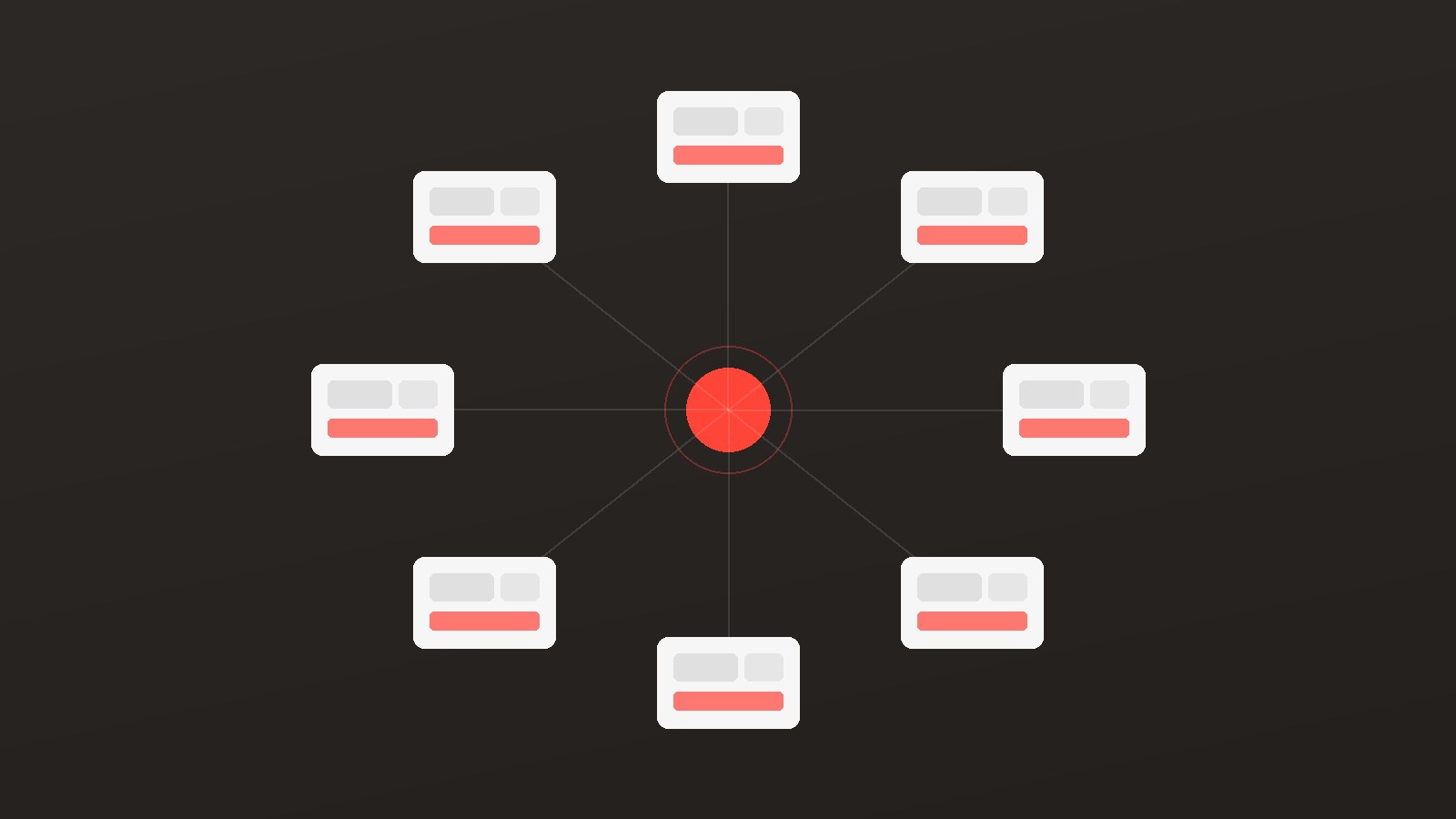
Choosing a creator commerce platform comes down to three decisions: where your creator storefront lives, how you manage your affiliate program, and whether you need enterprise partnership infrastructure. This hub maps every CreatorCommerce comparison to those decisions, so you can jump straight to the head-to-head you need. CreatorCommerce builds Shopify-native, co-branded creator storefronts on the brand's own domain, and it integrates with the affiliate and partnership platforms below rather than replacing them, so most of these comparisons are about fit and architecture, not winners and losers.
Start with the matrix, then follow the links into each deep dive.
Creator storefront platforms at a glance
The biggest architectural fork is where the storefront lives: on the brand's own domain, or hosted on the platform's domain. Here's how the major options line up.
| Platform | Where the storefront lives | Best-fit brand |
|---|---|---|
| CreatorCommerce | Native page on the brand's own Shopify domain | DTC brands on Shopify wanting an on-domain experience |
| LoudCrowd | Hosted on LoudCrowd's infrastructure | Brands prioritizing social/UGC alongside storefronts |
| Superfiliate | Auto-generated co-branded landing pages | Brands wanting program management plus quick landing pages |
| Aspire CreatorStores | Hosted on Aspire's domain | Mid-market brands running Aspire influencer programs |
| impact.com Storefronts | Hosted on a creator-commerce domain | Enterprise, partnership-led programs already in impact.com |
| ShopMy | Creator-owned page on ShopMy's domain | Discovery-led creator commerce off the brand's site |
Which creator storefront platform should you choose?
If your decision is about the storefront and conversion layer, where creator traffic lands and converts, these comparisons go deep on architecture, attribution, and fit.
- Best Creator Storefront Platforms in 2026: the five leading platforms, scored on the dimensions that matter.
- impact.com Storefronts vs CreatorCommerce: off-domain hosted storefronts vs on-domain, Shopify-native ones.
- CreatorCommerce vs LoudCrowd: commerce-side attribution vs social listening and UGC.
- Superfiliate vs LoudCrowd: two creator-storefront approaches compared.
- Superfiliate Landing Pages vs CreatorCommerce Storefronts: auto-generated landing pages vs native Shopify storefronts.
- Superfiliate vs CreatorCommerce: do you need one, the other, or both?
- LoudCrowd Alternative: what DTC Shopify brands use instead.
- Superfiliate Alternatives: options when you want more conversion control.
Definition, Creator storefront platform: Software that gives each creator a curated shopping page for a brand's products. The key difference between platforms is whether that page lives on the brand's own domain (on-domain) or is hosted on the platform's domain (off-domain).
Which affiliate program platform fits your Shopify brand?
If your decision is about managing the affiliate program itself (recruitment, links, codes, commissions, payouts), these comparisons cover the leading Shopify apps. CreatorCommerce layers on top of any of them to add the on-domain storefront.
- Simple Affiliate vs GoAffPro vs UpPromote: three budget-friendly Shopify affiliate apps.
- GoAffPro vs UpPromote vs Social Snowball: which Shopify affiliate app is right for you.
- Superfiliate vs Social Snowball: two automation-forward platforms compared.
- Superfiliate vs Refersion: which affiliate platform should your Shopify brand choose.
- Superfiliate vs UpPromote: which fits your brand.
Definition, Affiliate management platform: Software that handles affiliate recruitment, link and code tracking, commission calculation, and payouts. It manages the program; the storefront layer determines where that traffic converts.
Which partnership platform for enterprise programs?
Enterprise, partnership-led brands often evaluate full partnership platforms that span discovery, contracts, payouts, and attribution.
- impact.com vs Refersion vs Partnerize: which partnership platform fits which program shape.
Definition, Partnership platform: Enterprise infrastructure that manages partner discovery, contracts, payouts, and performance attribution across many partner types, not just affiliates.
Storefronts vs links vs codes: the conceptual comparisons
Before comparing brands, it helps to compare formats. These break down why the destination (storefront, landing page, bare link, or discount code) drives most of the conversion difference.
- Creator Storefront vs. Affiliate Link: which drives more revenue.
- Affiliate Link vs. Landing Page: which converts better.
- Why Affiliate Discount Codes Have Lower CVR Than Creator Storefronts: the data behind codes vs storefronts.
- Why Discount Codes Convert Less Than Co-Branded Shops: for impact.com programs specifically.
- Does an Influencer Storefront Increase Sales?: data from five brands.
How to use these comparisons
Most brands don't pick one platform and rule out the rest. They assemble a stack. A typical Shopify setup pairs an affiliate or partnership platform (for recruitment, commissions, and payouts) with a storefront layer (for where that traffic converts). CreatorCommerce is built for the storefront layer and integrates with the platforms above, so the practical question is usually "which affiliate stack, plus which storefront architecture", not "which single tool."
That's why the storefront architecture row in the matrix matters most: on-domain storefronts keep the shopping experience, checkout, and SEO on the brand's own store, while hosted storefronts centralize them on the platform's domain. Brands like Cozy Earth (214% conversion-rate lift, 67% higher average order value) and Healf (40.8% conversion-rate lift) have seen what the on-domain model does on Shopify. (Both are CreatorCommerce customer results, linked below.)
Frequently Asked Questions
What's the difference between a creator storefront platform and an affiliate platform?
An affiliate platform manages the program: recruitment, links, codes, commissions, and payouts. A creator storefront platform determines where that traffic converts, by giving each creator a curated shopping page. They solve different layers, which is why CreatorCommerce integrates with affiliate platforms rather than replacing them.
What's the most important factor when comparing creator storefront platforms?
Where the storefront lives. On-domain platforms like CreatorCommerce render the storefront natively on the brand's own Shopify store, keeping curation, cart, checkout, and SEO on the brand's domain. Off-domain platforms host the storefront on their own infrastructure, with checkout completing on the brand's site downstream.
Can I use a partnership platform and an on-domain storefront together?
Yes. CreatorCommerce integrates with platforms like impact.com, Social Snowball, Refersion, and GRIN, so a brand can keep its partnership or affiliate platform for management and attribution while running co-branded storefronts natively on its Shopify domain.
How much does CreatorCommerce cost?
CreatorCommerce starts at $500/month. For specifics on a program of your size, book a demo.
Related Articles



%201.png)
%201.png)
