


Why Beauty Brands Need Creator Affiliate Programs
Beauty brands live and die by trust. Your customers are reading reviews, watching unboxing videos, and asking "Does this actually work on my skin type?" before they buy. Creator affiliate programs tap directly into that trust equation, turning your most enthusiastic creators into a distributed sales force that moves product at scale.
This guide walks you through building a creator affiliate program that drives real revenue. We'll cover the five-step playbook that powers brands like Buttah Skin (30% CVR increase, 78% AOV increase) and show you exactly how Shopify-native, co-branded creator storefronts on your brand's own domain work in practice.
Beauty is the most creator-friendly category online. Your shoppers are already watching creators demo products, reading ingredient breakdowns, and trusting peer recommendations over brand messaging. An affiliate program formalizes that behavior: it pays creators to do what they're already doing and gives your brand attribution, control, and measurable ROI.
High repeat purchase rates mean one creator's audience becomes recurring revenue. Trust drives the category, not price. And user-generated content from creators compounds: each piece of content keeps selling long after it's published.
What Results Are Top Beauty Brands Seeing?
Buttah Skin ran a co-branded landing page strategy with creators and saw a 30% conversion rate increase and 78% average order value increase. Their creators landed on pages showing their photo, name, and hand-picked product selection. Shoppers saw a personal recommendation, not a generic affiliate link.
Cozy Earth took the model further, building 600+ creator storefronts and driving a 214% CVR increase and 67.37% AOV increase. Same principle: creators got their own storefront experience, owned by the brand but personalized to them.
Healf scaled to 1,700+ creator storefronts while generating 1,200+ pieces of UGC. Their creators did more than promote. They produced content the brand could reuse across ads, emails, and organic channels.
These case studies prove one thing: when you give creators a professional storefront instead of a discount code, conversion rates jump. When you make the creator visible on the page, AOV increases. When you automate attribution and payouts, you can scale to hundreds of creators.
The 5-Step Playbook for Beauty Brands
Step 1: Identify Your Creator Tiers
Not all creators are the same. Segment creators into four tiers: mega creators (1M+ followers) for brand awareness and reach, macro creators (100K-1M) for steady traffic and engaged audiences, micro creators (10K-100K) for highest engagement rates and best ROI per dollar, and nano creators (<10K) for ultra-loyal followers and lowest cost per acquisition.
Your affiliate program should have different rules for each tier. Mega creators might get a flat fee + commission. Micro creators might get 15% commission + storefront support. The key: tier by engagement and audience relevance, not just follower count.
Step 2: Choose Your Tech Stack
You need two pieces of infrastructure: an affiliate platform and a storefront platform.
Your affiliate platform tracks clicks, conversions, and payouts. Your storefront platform lets you build co-branded landing pages for each creator. CreatorCommerce specializes in this: Shopify-native, co-branded creator storefronts that live on your brand's own domain. Superfiliate and Social Snowball both integrate natively with Shopify as well.
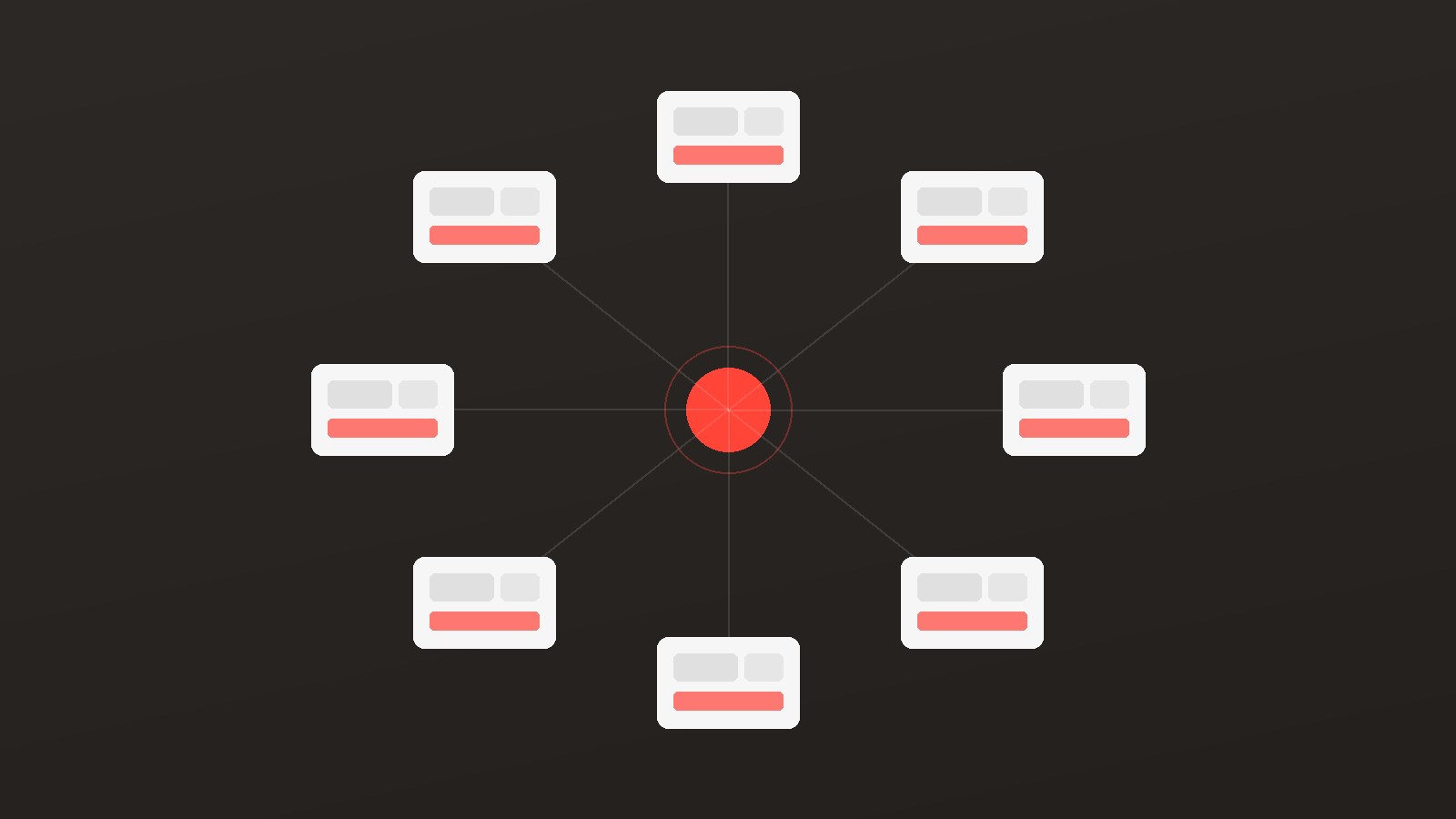
The two platforms should talk to each other. When a shopper clicks a creator's link, they land on the creator's storefront. The affiliate platform tracks the conversion. Your email marketing tool (like Klaviyo) gets a signal that this shopper came from this creator.
Step 3: Build Co-Branded Storefronts
Here's what separates affiliate programs that work from ones that don't: the shopper experience.
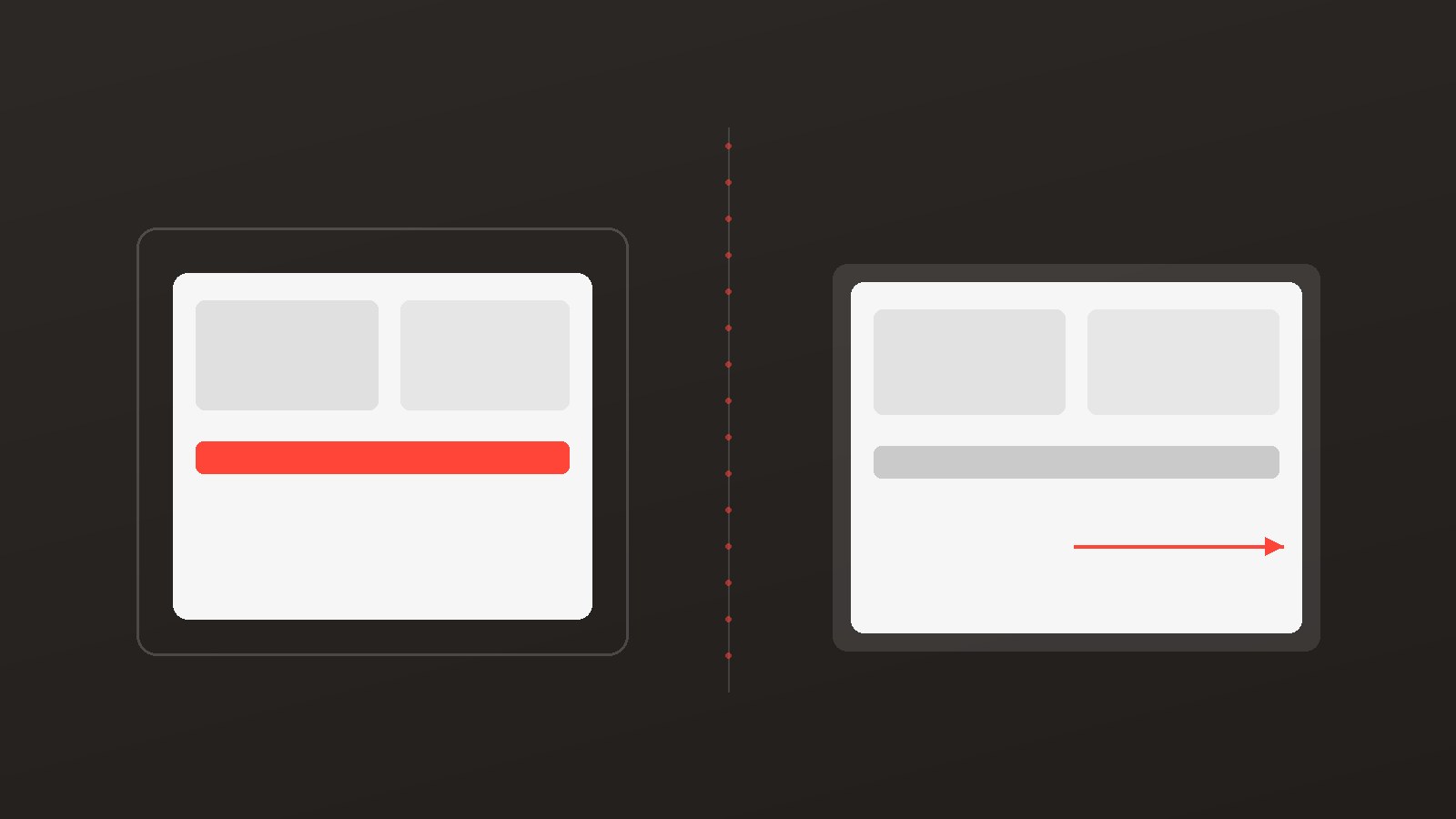
The old way: Creator posts a discount code (CREATOR20). Shopper finds the code, copies it, goes to the brand's website, applies the code at checkout. Friction at every step. Low conversion rates.
The new way: Creator shares a link. Shopper clicks. They land on a page that says "Shop [Creator's Name]'s Picks." The creator's photo is at the top. Their bio is there. Their hand-picked products are displayed, maybe 8-15 items, not 500. Each product card shows a quote badge with the creator's testimonial. At checkout, the discount is auto-applied: no code typing, no friction.
That's a co-branded creator storefront. It's built by the brand, owned by the brand, but personalized to the creator. Shoppers feel like they're buying from someone they trust.
This is why Buttah Skin saw a 30% CVR increase. A shopper landing on a page with a creator's face and name feels more like a personal recommendation than a generic discount. The page becomes a trust signal.
Step 4: Connect Email Marketing
After the shopper buys, the affiliate relationship continues. Post-purchase, you send emails referencing the creator. This reinforces the creator's recommendation (boosting repeat purchase) and builds the creator-to-customer relationship for future sales.
The flow: shopper buys from creator's storefront → your affiliate platform records the conversion → Klaviyo receives a signal with the creator name → automated emails fire referencing the creator. Follow-up emails include product care tips from the creator, new product recommendations, and exclusive early access to launches.
Setup is straightforward. CreatorCommerce and Superfiliate both have native Klaviyo integration. Build the flow once. It fires automatically every time a creator brings in a customer.
Step 5: Measure and Optimize
Track three metrics: Conversion Rate (CVR) tells you how well a creator's audience aligns with your products. Average Order Value (AOV) tells you whether they're buying premium products or discounted items. Creator-Level Attribution shows which creator brought the most revenue and best repeat purchase rate.
Use this data to double down on creators with CVR >5%, increase commission for creators with AOV above brand average, and pause spend on creators with CVR <2%. By month 6, you'll have a machine where top creators generate consistent, repeatable revenue.
Which Platform Fits Beauty Brands Best?
| Feature | CreatorCommerce | Superfiliate | Social Snowball |
|---|---|---|---|
| Co-branded storefronts | Yes | Landing pages | Links + codes |
| Shopify native | Yes | Yes | Yes |
| Klaviyo integration | Native | Native | Manual |
| Best for | DTC brands at scale | Post-purchase + ads | SMB brands |
| Pricing | $500/month | Contact for pricing | Contact for pricing |
CreatorCommerce shines for beauty brands wanting full co-branded storefronts with native Klaviyo integration. It's built for DTC brands that want a hands-off affiliate system at scale.
Superfiliate is the partnership-first choice. If you need post-purchase retention programs and Meta Partnership Ads integration alongside creator landing pages, Superfiliate delivers. Brands using Superfiliate can layer CreatorCommerce on top for full-funnel theme personalization.
Social Snowball works best for smaller beauty brands just starting out. Simpler feature set, lower barrier to entry. Solid for getting your first creators enrolled.
Why Co-Branded Pages Beat Affiliate Links for Beauty
The trust equation in beauty has three components: Who is recommending this? What products are they recommending? Do I trust the recommendation?
Affiliate links fail on all three. A shopper sees a discount code in a creator's TikTok. They don't know if the creator actually uses the product. They don't know which products the creator loves versus which ones they're promoting for the payout. A generic discount code feels transactional, not trusted.
Co-branded storefronts solve this. Who? The creator's photo and name are on the page. What? The creator curates a specific collection: 8-15 products, not 500. This signals intentionality. Trust? A personalized landing page is a stronger trust signal than a code.
For beauty specifically, this matters because ingredient research is core to the purchase decision. When a creator's name is on the page, shoppers pay attention to which products are included. They infer: "She picked serums with vitamin C and hyaluronic acid, so those must be her preferred ingredients." Co-branded pages make ingredient alignment visible.
How to Get Started: Three Phases
Phase 1: Recruit (Weeks 1-2). Build a list of 20-30 creators already talking about your products. Reach out with a simple pitch: "We're building a creator storefront program. You get commission + storefront support. Interested?"
Phase 2: Build (Weeks 3-4). Set up your affiliate platform (CreatorCommerce or Superfiliate). Onboard your first cohort. Build 5-10 co-branded storefronts. Test your Klaviyo flows.
Phase 3: Scale (Month 2+). Analyze which creators drive CVR and AOV. Recruit 10-20 more in that vein. Watch your revenue compound. You don't need 100 creators at launch. Start with 10. Nail the experience. Then scale.
Related Articles
- The Complete GoAffPro Shopify Affiliate Program Guide
- GoAffPro Shopify Flow Automation: Creator Workflows at Scale
- Why Influencer Traffic Doesn't Convert (And What to Fix)
- GoAffPro + CreatorCommerce: How Co-Branded Storefronts Supercharge Your Affiliate Program
FAQ
How much commission should I pay beauty creators?
For beauty, 15-20% is standard. Nano creators often get 20%; macro creators get 15%. You can also offer a hybrid: 10% commission + monthly bonus if they hit $5K in sales. The key: make sure creators feel the program is worth their time. See our Getting Started guide for commission benchmarking.
Do I need a dedicated person to manage the program?
Not at the start. Once you scale past 50 creators, yes. Until then, your marketing person can handle creator onboarding, support, and payouts in 5 hours a week. Affiliate platforms automate most of the work. See Getting Started with Landing Pages for setup instructions.
What's the difference between drops and storefronts?
Drops are a limited collection of products that a creator launches for a specific period (like a seasonal collection). Storefronts are always-on. Most brands start with drops; they're lower lift and create urgency. Once you have a consistent group of creators, move to persistent storefronts. Learn more in Getting Started with Drops.
How do I make sure creators actually promote the program?
Set expectations upfront. Give them pre-made TikTok templates, Instagram captions, and email templates. The easier you make promotion, the more they'll do it. For Klaviyo automation that keeps creators engaged, see How to Setup Automated Klaviyo Flows.
How do I track ROI by creator?
Your affiliate platform breaks down revenue, AOV, and repeat purchase rate by creator. Most brands find that 20% of creators drive 80% of revenue. Once you know which creators move product, invest in them and reallocate budget away from low-performers.
Related Reading
- Superfiliate Review: Features, Pricing, and How It Compares
- Best Creator Storefront Platforms for 2026
- How to Set Up Superfiliate + Klaviyo Automation
Ready to Launch Your Creator Affiliate Program?
Creator affiliate programs have become a necessity for beauty brands. Your customers are already researching products through creators. Your job is to give creators the tools to close the sale and track the ROI. Start with co-branded storefronts, not discount codes.
Book a Demo with CreatorCommerce. Build co-branded storefronts, onboard creators in minutes, and track ROI automatically.


%201.png)
%201.png)
