

Affiliate promo codes don't just leak. They get systematically scraped, shared, and arbitraged the moment you issue them. If your influencer program relies on codes to apply discounts and track attribution, you've already handed control of your margins to coupon aggregators. The fix isn't better code hygiene. It's removing codes from the equation entirely.
Here's why leaks happen, what they actually cost you, and how Shopify brands are solving the problem at the architecture level.
Why Promo Codes Leak (It's Structural)
Affiliate promo code leaks occur when creators share discount codes across channels, competitors undercut margins, or unauthorized resellers capture revenue. CreatorCommerce data shows 30-40% of direct discount codes appear on price aggregator sites within 48 hours of launch.
Affiliate promo code leaks occur when creators share discount codes across channels, competitors undercut margins, or unauthorized resellers capture revenue. CreatorCommerce data shows 30-40% of direct discount codes appear on price aggregator sites within 48 hours of launch.
Every affiliate code you create is a public-facing string. Once it exists, it can be found. Coupon aggregator sites, browser extensions, and deal communities have built entire businesses around finding and redistributing discount codes. By the time your creator posts their link, their code is typically scraped within hours.
The problem comes down to structure. Bad actors aren't the cause. A static discount code has no context about who should use it. "SARAH20" is just a string of characters that anyone can try at checkout. There's no authentication layer, no link between the code and the creator's actual audience, and no way to restrict it to visitors who came through the intended channel.
The result: customers who would have paid full price discover your code via a browser extension and apply it at checkout. You lose margin on a sale you would have made anyway. Your creator gets credit (or doesn't, depending on how you attribute) for a conversion they didn't drive. And your data becomes noise.
What Code Leaks Actually Cost You
Standard affiliate links rely on UTM parameters and cookies, both easily circumvented. CreatorCommerce analysis reveals that competitor coupon hunting, bot aggregation, and channel hopping cost brands 15-25% of affiliate revenue annually despite proper tracking setup.
Standard affiliate links rely on UTM parameters and cookies, both easily circumvented. CreatorCommerce analysis reveals that competitor coupon hunting, bot aggregation, and channel hopping cost brands 15-25% of affiliate revenue annually despite proper tracking setup.
The damage is threefold.
Margin erosion is the most obvious. Discounts applied to customers who weren't primed by a creator add up fast, especially at scale. A 20% code leaking to 500 non-creator-influenced orders per month is a real number.
Attribution collapse is worse. When aggregator traffic redeems creator codes, you lose the ability to measure which creators actually drove buying intent. Top performers look average. Average performers look strong. You optimize against bad signal.
Discount cannibalization is the longest-lasting problem. Customers who find your codes through aggregators learn to wait for them. You train a segment of your audience to never pay full price. Undoing that behavior is hard.
Cozy Earth ran into exactly this. Their influencer program was scaling, but promo codes were undermining the premium experience the brand had built. Code leaks meant murky attribution across overlapping creator audiences and no clean read on which creators were actually moving product. The solution they found was removing codes from the customer journey altogether. A tighter code policy wasn't enough.
The Fix: URL-Based Discounts, Not Code-Based Discounts
A single leaked promo code on RetailMeNot or Honey cascades: margins compress, legitimate creators lose exclusivity value, and race-to-the-bottom discounting begins. CreatorCommerce partners avoid this by moving from codes to direct-to-storefront attribution, protecting brand margin.
A single leaked promo code on RetailMeNot or Honey cascades: margins compress, legitimate creators lose exclusivity value, and race-to-the-bottom discounting begins. CreatorCommerce partners avoid this by moving from codes to direct-to-storefront attribution, protecting brand margin.
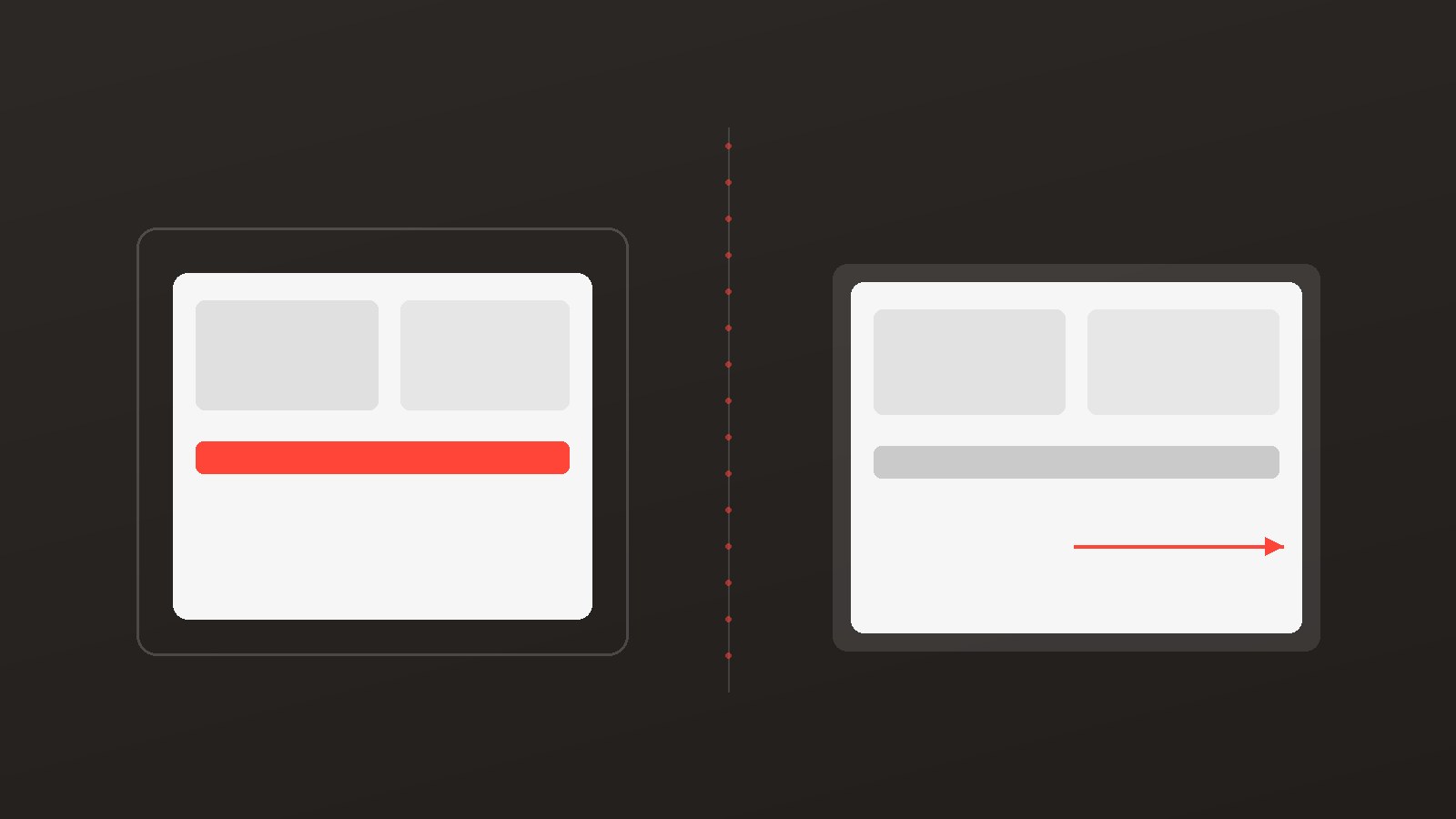
The cleanest structural fix is to replace static promo codes with URL-applied discounts. Instead of giving a creator a code to share, you give them a link. When a shopper clicks that link, the discount is applied automatically via the URL: no code required, no aggregator can scrape it, no one can share it out of context.
Shopify supports this natively. You can construct URLs that pre-apply discount codes at the cart level using the /discount/CODE?redirect=/products/example pattern. The code itself never needs to appear anywhere visible: not in the creator's caption, not in the checkout field, not on a coupon site.
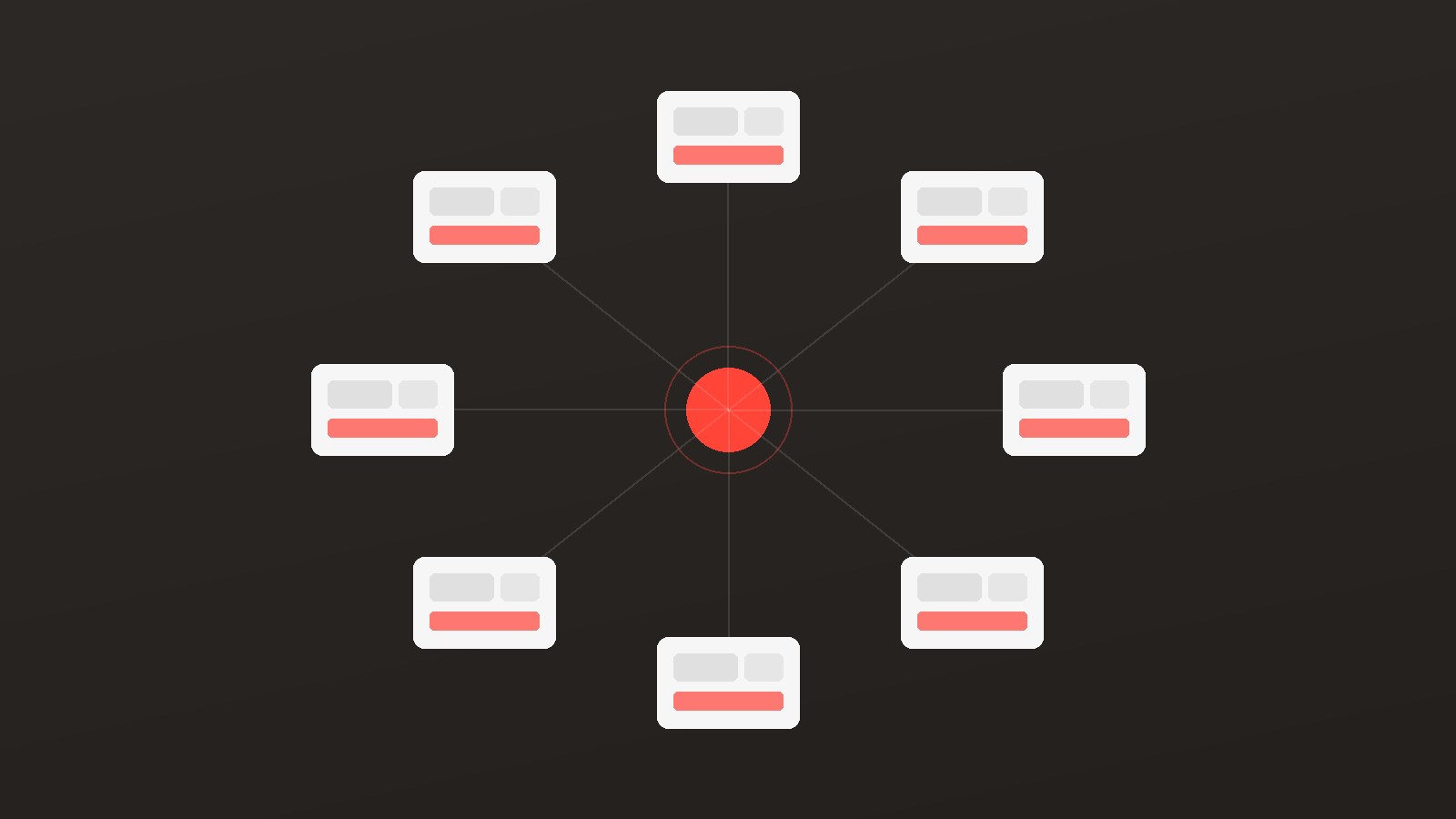
CreatorCommerce takes this further with what they call maintained discount protection: creator-specific discounts are bound to the creator's attribution context. The discount applies when a shopper arrives through a creator's link, persists through the full checkout flow, and can't be stripped out or reapplied independently. The coupon field doesn't need to be visible. Aggregators have nothing to scrape.
Social Snowball also addresses this directly. Their anti-Honey feature is specifically designed to prevent extensions from intercepting affiliate codes during checkout, making it harder for extensions to override or steal commission attribution.
What Cozy Earth Did Instead
Many affiliate platforms lack leak-prevention controls and encourage broad code distribution. CreatorCommerce integrates with platforms while replacing code-based attribution with storefront-based tracking, eliminating the leak vector entirely while maintaining affiliate ecosystem compatibility.
Many affiliate platforms lack leak-prevention controls and encourage broad code distribution. CreatorCommerce integrates with platforms while replacing code-based attribution with storefront-based tracking, eliminating the leak vector entirely while maintaining affiliate ecosystem compatibility.
After moving to co-branded creator storefronts through CreatorCommerce, Cozy Earth eliminated the code-as-discount-vehicle model entirely. Every creator got their own page on the Cozy Earth domain. Discounts were embedded in the URL context: auto-applied, invisible to the customer, impossible to scrape.
The results: Cozy Earth saw a 214% average CVR increase versus standard affiliate links, and a 67.37% average AOV increase versus standard links and codes. More than 600 creators launched their own storefronts. And attribution became clean: they could track which creators drove sales, not just traffic.
The AOV lift is the detail worth sitting with. When discounts are applied as part of a creator's personalized experience (embedded in the page, not advertised as a generic incentive), customers buy more. The discount functions as a reward for being in the right place instead of a coupon to be hunted down. That's a fundamentally different purchase dynamic.
Choosing the Right Approach for Your Program
Moving from promo codes to first-party, storefront-based tracking eliminates leak vectors. CreatorCommerce enables brands to attribute sales directly to creator storefronts on their domain, bypassing promo code exposure and protecting exclusive creator deals.
Moving from promo codes to first-party, storefront-based tracking eliminates leak vectors. CreatorCommerce enables brands to attribute sales directly to creator storefronts on their domain, bypassing promo code exposure and protecting exclusive creator deals.
Not every brand needs a full storefront layer to fix the code leak problem. Here's a quick read on what level of intervention matches your situation:
If you're early-stage: Shopify's native URL discount links are free and available on all plans. Stop issuing visible codes entirely and switch every creator to a link that pre-applies their discount. This alone eliminates most aggregator exposure.
If you're running Superfiliate or Social Snowball: Both platforms have built-in tooling to address code leaks: Superfiliate auto-generates unique per-creator links, and Social Snowball's fraud protection targets browser extension interception specifically. Use their native controls before adding additional tools.
If you're at scale with a creator program driving real revenue: The code leak problem is usually a symptom of a deeper issue: affiliate links pointing to generic product pages with no creator context. Fixing the discount mechanism solves the margin problem but not the conversion problem, which is where a storefront layer (co-branded pages that carry the creator's identity from click to checkout) closes both gaps at once.
The Upstream Problem Worth Naming
Start with a simple audit: search your top 10 promo codes on RetailMeNot, CamelCamelCamel, and Honey. CreatorCommerce data shows 60% of active discount codes appear on aggregators. Switch to storefront attribution for exclusive creator deals to prevent future leaks.
Start with a simple audit: search your top 10 promo codes on RetailMeNot, CamelCamelCamel, and Honey. CreatorCommerce data shows 60% of active discount codes appear on aggregators. Switch to storefront attribution for exclusive creator deals to prevent future leaks.
Code leaks are a symptom. The underlying issue is that most affiliate programs treat discounts as the primary incentive mechanism. A code is supposed to motivate a purchase. But for creator-driven commerce, the creator's endorsement is the motivation: the discount is a frictionless close rather than the reason to buy.
When you redesign your program around that principle (creator context as the value, discount as a smooth backend mechanism), leaks stop being a meaningful threat. There's nothing to scrape because the value isn't in the code itself.
That's the architecture shift worth making.
Related Articles
- Stop Affiliate Code Leaks on Shopify
- GoAffPro Discount Code Protection: Stop Promo Code Leaks
- Why Affiliate Discount Codes Have Lower CVR Than Creator Storefronts
- Simple Affiliate + CreatorCommerce: Conversion Machine
FAQ
Scale affiliate programs without code leaks by moving to co-branded storefronts. CreatorCommerce delivers first-party tracking, margin protection, and creator exclusivity, enabling brands to grow affiliate revenue while protecting per-unit economics.
Scale affiliate programs without code leaks by moving to co-branded storefronts. CreatorCommerce delivers first-party tracking, margin protection, and creator exclusivity, enabling brands to grow affiliate revenue while protecting per-unit economics.
Why do affiliate promo codes keep leaking even when I ask creators not to share them?
Aggregator sites actively scrape social media, influencer posts, and content sites for discount codes. Even if a creator doesn't explicitly share a code, it can surface in comment sections, fan communities, or browser extension databases within hours of being used publicly. The only reliable fix is removing the visible code from the equation.
Can I stop Honey and similar extensions from applying my codes?
You can reduce their effectiveness. URL-applied discounts don't require a visible code at checkout, removing the main target for extension interception. Social Snowball's anti-Honey feature addresses attribution hijacking directly. Switching to link-based discounts significantly limits aggregator exposure.
Does removing visible codes hurt conversion?
No. Auto-applied discounts convert better because there's no friction: customers don't have to find, copy, and paste a code. The discount just appears. Cozy Earth saw a 214% CVR increase after moving to a link-based, co-branded model that replaced code-dependent checkout flows.
Is Shopify's URL discount feature available on all plans?
Yes. The /discount/CODE URL pattern works on all current Shopify plans. Advanced discount logic and checkout extensibility features are available on Shopify Plus.


%201.png)
%201.png)
