

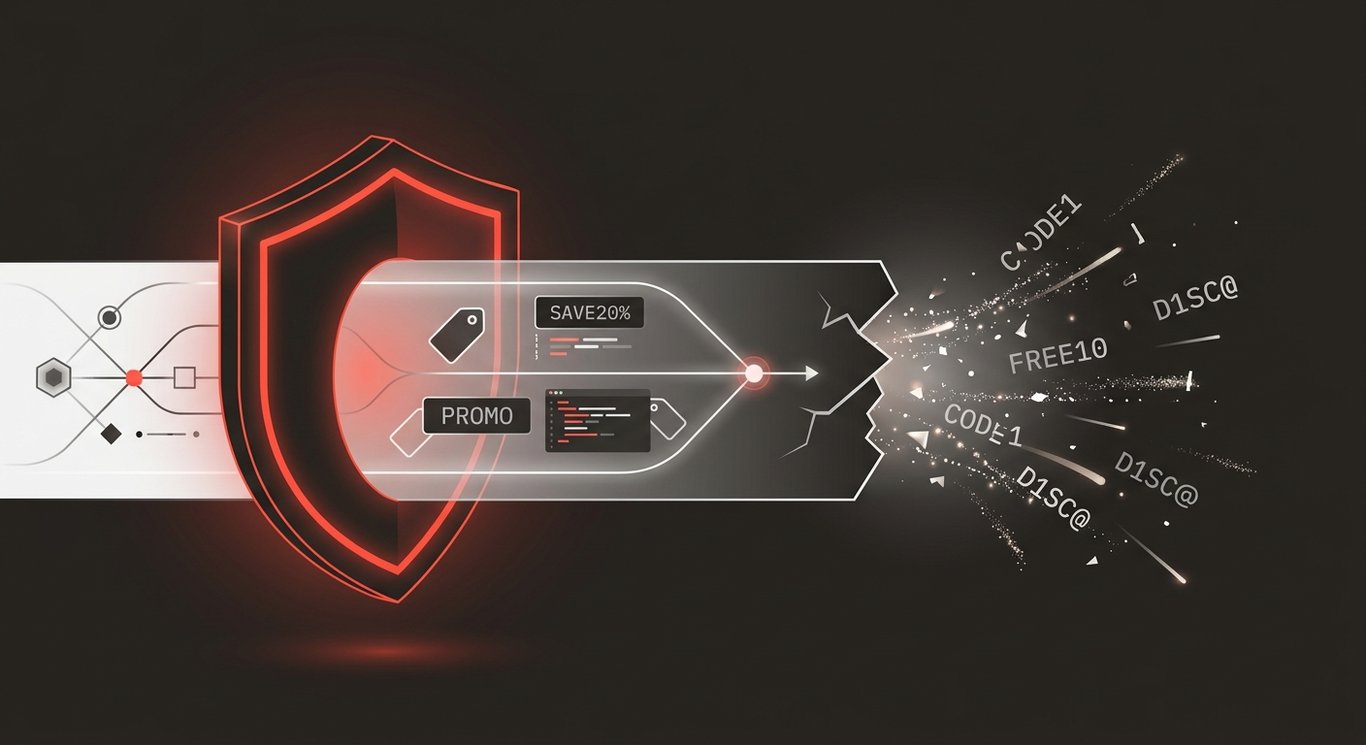
Your affiliates are doing their job, driving qualified traffic to your Shopify store with a unique promo code. But by Friday, that code is live on Honey. By Monday, it's on RetailMeNot. By end of month, non-affiliate customers who would have bought anyway are using your affiliate codes, and you're paying commission on sales you already owned. How to reduce affiliate promo code leaks starts with understanding why codes are leakable in the first place, and switching to a model where they can't be shared at all.
CreatorCommerce built SafeLinks, the anti-leak discount mechanism, specifically to solve this problem. But you don't need a platform to understand the fix. Let's walk through the leak, the math that breaks, and the protection frameworks that work.
The Promo Code Leak Problem (And Why It's Worse Than You Think)
Promo code leaks occur when unique affiliate discount codes are discovered and shared across coupon aggregation sites, browser extensions, and email lists. Standard promo codes lack protections, any customer with the code string can use it regardless of traffic source, causing margin erosion and attribution breakdown. Brands running mature affiliate programs lose 20-40% of effective affiliate margin to code leaks alone.
Promo code leak is the uncontrolled distribution of a unique affiliate discount code to unauthorized coupon aggregation sites, email coupon lists, and browser extensions. When an affiliate shares their code to drive sales, they're sharing a copyable string. Any customer who finds that string, whether through Honey browser automation, a coupon site, a colleague's email forward, or social media, can use it. The code has no geographic lock, no device lock, no session lock. It's just text.
Here's what happens next:
- Affiliate earns 15% commission on first 500 sales (let's say $10k revenue, $1.5k commission earned).
- Code leaks. Honey picks it up within days.
- Non-affiliate traffic (organic search, direct, other channels) starts using the code.
- You pay commission on that non-affiliate traffic.
- Your effective commission rate rises. Your margins fall. Attribution becomes noise.
The real damage: Code leaks cost brands 20-40% of effective affiliate margin in mature affiliate programs. For a brand running $100k/month in affiliate volume, that's $3,000-$6,000/month in wasted commission spend.
Cozy Earth faced this head-on. Before implementing co-branded storefronts, their team told us: "Code leaks undermined exclusivity and eroded margins." After switching to CreatorCommerce SafeLinks (auto-applied discounts tied to unique storefront URLs, not copyable codes), they saw a 214% CVR increase and 67.37% AOV increase.
What Is Discount Protection (And Why Codes Alone Don't Have It)?
Discount protection is the technical framework ensuring affiliate discounts can only be used by intended traffic from a specific creator's link. Standard promo codes lack this protection entirely, any customer who finds the code string can use it regardless of referral source, leading to margin erosion and broken attribution. Protection requires three layers: non-copyable mechanism, session/URL binding, and attribution preservation.
Discount protection is the technical and operational framework that ensures a discount code or applied discount can only be used by its intended customer cohort (in this case: traffic from a specific affiliate's link).
Promo codes have zero built-in protection. A code is a string. Shopify's native discount engine applies the discount to any cart that enters the code, no questions asked about where the traffic came from.
Real discount protection requires three layers:
- Non-copyable mechanism: The discount cannot be represented as a shareable string.
- Session/URL binding: The discount is tied to a specific URL or session, not a code the customer types.
- Attribution preservation: The source of the discount (affiliate link) is logged and retained through checkout.
Promo codes fail all three. SafeLinks pass all three.
How SafeLinks Work: The Co-Branded Storefront Approach
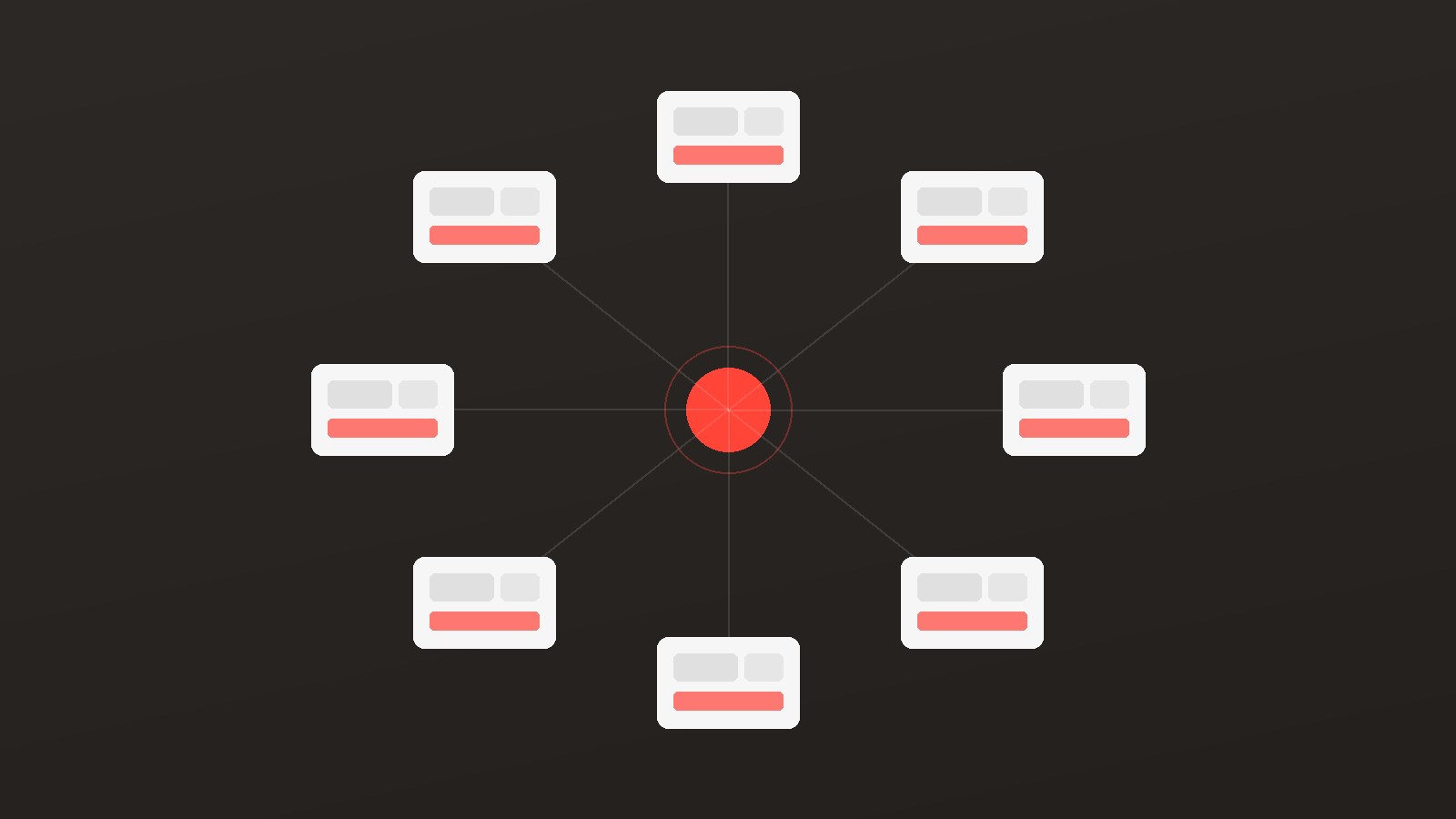
SafeLinks replace copyable promo codes with unique, auto-applied discount URLs tied to affiliate sessions and co-branded landing pages. When customers land on an affiliate's branded storefront URL, a cart attribute injects automatically, survives checkout, and becomes the authoritative attribution record. This eliminates the leak entirely because the discount isn't a shareable text string, it's a session-bound experience.
SafeLinks are CreatorCommerce's term for unique auto-applied discount URLs that replace promo codes. Here's the mechanism:
- Unique storefront URL: The affiliate gets a co-branded landing page on your domain (e.g.,
yourstore.com/shop/affiliate-name). No shared code. - Cart attribute injection: When a customer lands on that URL, a cart attribute (
cc-creator-handle) is injected into their session. - Shopify discount logic: Shopify's native discount engine reads the cart attribute and applies the discount at checkout. The customer never sees or types a code.
- Checkout persistence: The attribute survives cart abandonment, browser refresh, and partial checkout flows.
- Commission logging: The cart attribute becomes the authoritative record of affiliate attribution, no code to leak, no ambiguity in commission logic.
The result: A discount that's impossible to leak because it's not a copyable string.
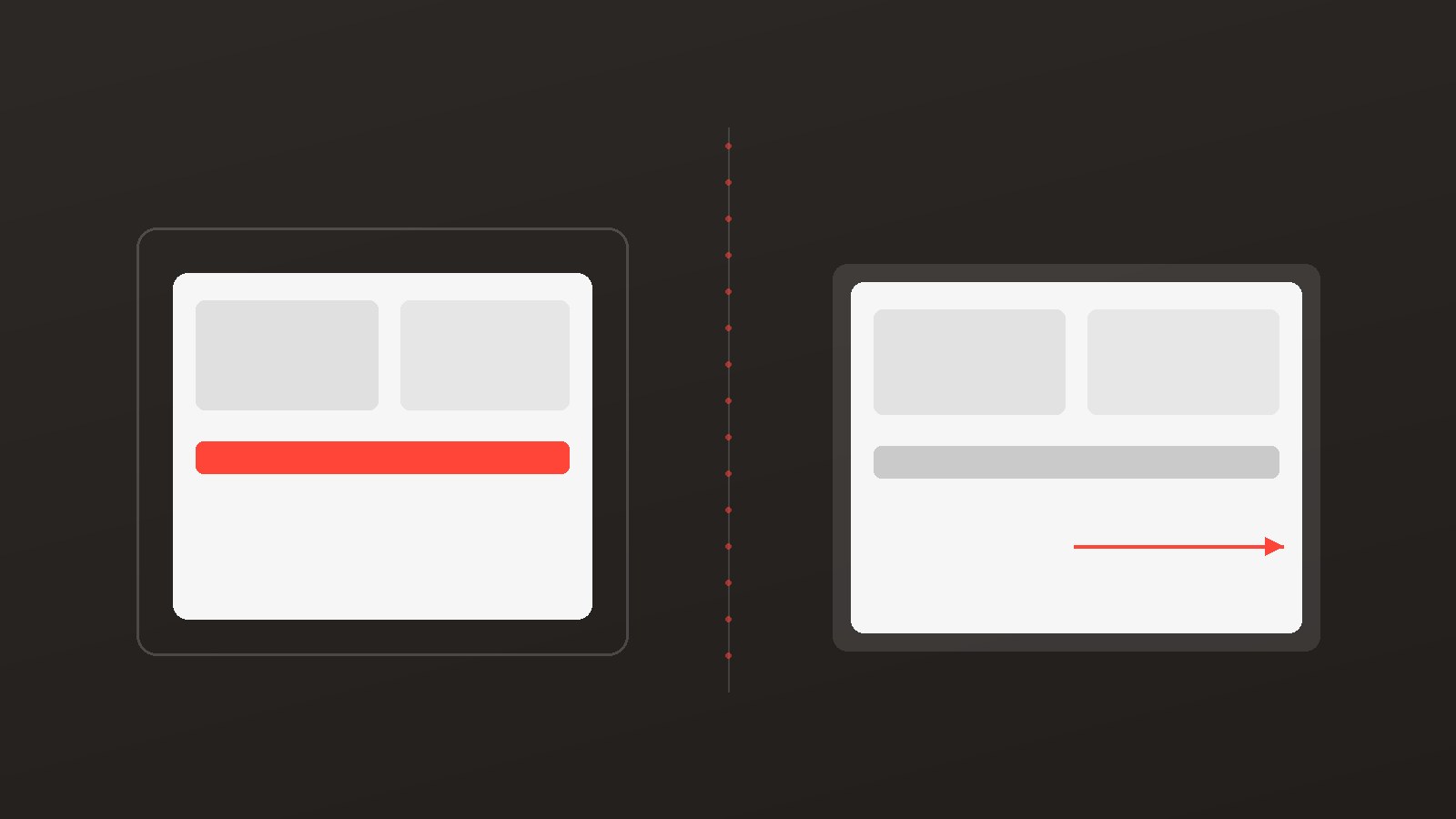
Promo Code Approach vs. SafeLinks: Side-by-Side
| Aspect | Promo Code | SafeLinks / Auto-Applied |
|---|---|---|
| Copyable? | Yes, highest leak risk | No, URL is the mechanism |
| Can be shared via Honey? | Yes, instantly | No, not text-based |
| Requires customer action? | Yes (type/paste code) | No (auto-applied at checkout) |
| Attribution clarity | Unclear once leaked | Crystal clear (cart attribute) |
| Checkout friction | High (code entry step) | Low (smooth) |
| CVR impact | Negative (additional step) | Positive (frictionless) |
| AOV impact | Negative (commoditized) | Positive (scarcity/exclusivity) |
| Scalability | Poor (manual code generation) | Excellent (automated per affiliate) |
Step-by-Step: How to Implement Leak-Proof Discount Protection
Step 1: Audit Your Current Promo Code Inventory
List every active affiliate promo code in Shopify. For each one, ask: How long has this code been live? Has it appeared on coupon sites? What percentage of monthly discount spend is this code responsible for? This baseline measurement reveals leak severity and guides prioritization for migration to SafeLinks.
List every active affiliate promo code in Shopify. For each one, ask:
- How long has this code been live?
- Has it appeared on RetailMeNot, Honey, or coupon sites?
- What percentage of your monthly discount spend is this code responsible for?
- What's the non-affiliate traffic using this code? (This is your leak baseline.)
You can find this data in Shopify's Discounts analytics and your affiliate platform's attribution reports (Simple Affiliate, Refunnel, Impact, etc.). Learn more about integrating Simple Affiliate with CreatorCommerce to automate this tracking.
Step 2: Identify High-Leak Codes
Rank codes by leak severity. Codes with the highest non-affiliate adoption rate are your priority. If a code is 4 weeks old and 60% of its usage is non-affiliate traffic, that's a critical leak.
Step 3: Build Co-Branded Landing Pages
Work with your affiliate program manager to create a unique storefront URL for your top-performing affiliates. This can be as simple as a landing page with the affiliate's name and brand, a CTA button linking to your shop, and product recommendations. Co-branded storefronts can be built manually using Shopify Liquid or automated via platforms like CreatorCommerce.
Work with your affiliate program manager to create a unique storefront URL for your top-performing affiliates. This can be as simple as a landing page with:
- The affiliate's name and brand (co-branding).
- A CTA button linking to your shop with the session parameter (
?cc_handle=affiliate_nameor equivalent). - Product recommendations curated by or featuring the affiliate.
Platforms like CreatorCommerce automate this. But you can also build it manually using Shopify's liquid templates and UTM parameters tied to discount logic.
Step 4: Configure Cart Attributes and Discount Rules
Work with your Shopify developer or app to inject a cart attribute when the affiliate's landing page link is clicked, create a Shopify discount that applies only when that cart attribute is present, and test end-to-end checkout flow. The discount should apply without the customer entering a code.
Work with your Shopify developer or app to:
- Inject a cart attribute when the affiliate's landing page link is clicked.
- Create a Shopify discount that applies only when that cart attribute is present.
- Test end-to-end: landing page → shop → cart → checkout. The discount should apply without the customer entering a code.
Step 5: Migrate Affiliates Off Codes
Communicate to your affiliate program that the old code is being phased out with 30-day notice, their new co-branded landing page becomes their share link, the discount is the same or better, and they'll earn the same commission. Emphasize this is an upgrade that preserves their exclusive discount, not a reduction.
Communicate to your affiliate program:
- Old code is being phased out (give 30-day notice).
- New co-branded landing page is their new share link.
- Discount is the same or better; they earn the same commission.
- Emphasize: No more code leaks means their exclusive discount stays exclusive.
Key messaging: This is an upgrade to anti-leak protection that preserves their exclusivity.
Step 6: Monitor Attribution and Commission Accuracy
Track pre-migration non-affiliate traffic percentage, post-migration non-affiliate traffic percentage, CVR and AOV changes month-over-month, and commission spend as percentage of revenue. If done correctly, you'll see non-affiliate adoption drop to near-zero and CVR/AOV climb.
Track:
- Pre-migration: % of non-affiliate traffic using the old code.
- Post-migration: % of traffic using the new SafeLink that's non-affiliate.
- CVR and AOV changes month-over-month.
- Commission spend as % of revenue.
If done correctly, you'll see non-affiliate adoption drop to near-zero, and CVR/AOV climb.
Why Simple Affiliate Doesn't Solve This (And That's Okay)
Simple Affiliate is a powerful code-based platform without built-in leak protection. The platform itself isn't at fault. Promo code leaks are an industry-wide structural problem. However, Simple Affiliate users running high-volume programs are often the most aware of leaks. The solution is layering in leak-proof storefronts for top performers while keeping the Simple Affiliate program intact.
Simple Affiliate is a powerful code-based affiliate platform. It's not their fault that codes leak. This is an industry-wide structural problem. Honey and RetailMeNot don't scrape affiliate programs; they scrape the internet. Any text string that looks like a discount code becomes a target.
That said, Simple Affiliate users are often the most aware of code leaks because they're running high-volume affiliate programs. If you're using Simple Affiliate, you've probably noticed the leak in your margin math already.
The good news: Simple Affiliate integrates with CreatorCommerce SafeLinks. You can keep your Simple Affiliate program intact while layering in leak-proof storefronts for your top performers. Other platforms like Social Snowball also have anti-coupon-leak protection built in, if you're evaluating affiliate platforms, ask about leak protection during the sales process.
What Happens to Your Metrics When You Stop Leaks?
Real numbers from brands who switched from promo codes to co-branded landing pages show dramatic improvements: Cozy Earth achieved 214% CVR increase and 67.37% AOV increase, while Buttah Skin saw 30% CVR increase and 78% AOV increase. These results are consistent across verticals because the underlying problem of commoditized leaked codes affects every industry.
Real numbers from brands who switched:
Cozy Earth: Switched from promo codes to co-branded landing pages powered by CreatorCommerce:
- CVR increase: 214%
- AOV increase: 67.37%
- Why: Scarcity and exclusivity returned. Non-affiliate traffic stopped free-riding. Genuine affiliate traffic felt special using a branded landing page.
Buttah Skin: Co-branded landing pages:
- CVR increase: 30%
- AOV increase: 78%
- Why: Affiliate-driven traffic wasn't competing with organic customers using leaked codes. Lower commission waste, higher affiliate motivation.
These results are consistent across verticals (cosmetics, home goods, wellness) because the underlying problem, leaked codes commoditizing your discount, is the same everywhere.
What's Next: Make the Shift
Code leaks are silent margin killers. Replace copyable codes with unique, branded, auto-applied discount URLs tied to affiliate sessions. Start by auditing current codes, picking your top 3 affiliate partners, building co-branded landing pages, and migrating them off codes onto SafeLinks.
Code leaks are silent margin killers. You won't see them in a single transaction. They show up in your monthly commission spend, your declining AOV in affiliate channels, and your attribution data that no longer makes sense.
The fix is simple: Replace copyable codes with unique, branded, auto-applied discount URLs tied to affiliate sessions.
If you're running affiliate programs on Shopify, here's your action plan:
- Audit your current promo codes for leak severity.
- Pick your top 3 affiliate partners.
- Build co-branded landing pages for them (platform or custom build).
- Migrate them off codes and onto SafeLinks.
- Measure the impact (expect 20-50% CVR improvement, 30-80% AOV improvement).
- Scale the model to your full affiliate roster.
CreatorCommerce can handle steps 3 and 4 in weeks, not months. But regardless of the tool you choose, the principle is the same: Stop sharing your discount as text. Start sharing it as a branded experience.
Learn how to build creator affiliate into primary revenue while protecting against leaks and maximizing your Shopify affiliate app stack.
Your margins will thank you.
Frequently asked questions
Why do affiliate promo codes leak to coupon sites?
Promo codes are text strings with no usage restrictions. An affiliate shares a code to drive sales. A customer posts it to Honey. Another shares it on RetailMeNot. The code spreads because it's a simple string that anyone can copy and use. Standard affiliate platforms like GoAffPro and Simple Affiliate track which affiliate used the code but can't prevent unauthorized distribution. You need a second layer: co-branded storefronts with auto-applied discounts that can't be shared as text.
How much margin do code leaks cost over 12 months?
A $100K monthly affiliate program paying 10% commission can leak 20-40% of that revenue through unattributed code usage. Across 12 months, that's $24K-$48K in lost margin. CreatorCommerce SafeLinks eliminate leaks by replacing shareable codes with creator URLs. The discount is tied to the page, not the code. Adoption of co-branded storefronts typically recovers 25-35% of leaked revenue in year one.
Can you prevent code leaks without changing your affiliate platform?
Not completely. You can reduce them: rotate codes monthly, use shorter codes, rate-limit redemptions, block known coupon site IPs. But determined shoppers will still find them. Real protection requires changing the mechanism: move from shareable discount codes to non-shareable personalized links or co-branded storefronts. CreatorCommerce SafeLinks removes the temptation entirely, there's no code to leak, just a creator's storefront URL.
What's SafeLinks and how does it work?
SafeLinks is CreatorCommerce's anti-leak discount system. Instead of a promo code, each creator gets a unique URL to their co-branded storefront. The discount is auto-applied at checkout via a Shopify metafield tied to that URL. The customer sees 'Shop via [Creator]' and the discount applies, no code to copy, no coupon sites to post it on. SafeLinks combines high-conversion storefronts with leak-proof attribution, eliminating the choice between conversion and margin protection.
Does implementing SafeLinks mean I have to drop my promo code program entirely?
No. You can run both in parallel by migrating top 10-15 affiliates to SafeLinks first while keeping your general-audience promo code separate. This hybrid approach reduces leak risk for highest-value partners while maintaining accessibility for general public.
No. You can run both in parallel. Migrate your top 10-15 affiliates to SafeLinks first. Keep your general-audience promo code (e.g., WELCOME10) separate. This hybrid approach reduces leak risk for your highest-value partners while maintaining accessibility for the general public.
What if an affiliate shares their SafeLink URL instead of keeping it exclusive?
If they share the URL on social media, the link is still branded with the affiliate's name, so it's clearly affiliated and attributable. SafeLinks are updateable, you can rotate a leaked URL and issue a new one. You can't rotate a code without breaking attribution.
If they share the URL on social media, you're back to a leak, but it's a different leak. The URL is branded with the affiliate's name, so when it shows up on RetailMeNot, it's clearly affiliated. You can make affiliate-sharing part of your program guidelines. More importantly: SafeLinks are updateable. If an affiliate leaks their URL, you can rotate it and give them a new one. You can't rotate a code once it's live without breaking attribution.
Will customers get confused if they don't have to enter a code?
No. Research shows removing friction from checkout increases CVR. Customers care that they're getting the discount, not that they manually entered a code. Auto-applied discounts feel more premium (like VIP access) than code entry (like coupon hunting).
No. Research shows that removing friction from checkout increases CVR. Customers care that they're getting the discount, not that they manually entered a code. In fact, auto-applied discounts feel more premium (like VIP access) than code entry (like a coupon hunter).
How do I measure the impact of stopping code leaks?
Track commission spend as percentage of revenue, non-affiliate traffic adoption of affiliate codes, CVR and AOV by traffic source, and affiliate satisfaction. All should improve post-migration. Learn more about full funnel affiliate tracking on Shopify.
Track:
- Commission spend as % of revenue (should decrease).
- Non-affiliate traffic adoption of your affiliate codes (should drop to near-zero post-migration).
- CVR and AOV by traffic source (affiliate-driven should increase).
- Affiliate satisfaction/retention (should improve once they see their exclusive traffic isn't competing with leaked codes).
What if my Shopify store is on a budget? Can I build SafeLinks without an app?
Yes. You'll need a developer who knows Shopify Liquid, one co-branded landing page template, discount automation using Shopify's native engine plus a small custom script, and basic analytics setup. One-time cost: $2,000-$5,000. Annual cost of code leaks: $36,000-$72,000. The math is clear.
Yes. You'll need:
- A developer who knows Shopify Liquid (or an agency).
- One co-branded landing page template (reusable for all affiliates).
- Discount automation (Shopify's native discount engine + a small custom script).
- Basic analytics setup.
Total cost: $2,000-$5,000 one-time. Cost of a code leak over 12 months: $36,000-$72,000. The math is clear.


%201.png)
%201.png)
