

What You'll Accomplish in This Guide
By the end of this playbook, you'll have a fully functional co-branded creator storefront live on your brand's own domain. Your GoAffPro affiliates will get a dedicated shopping experience branded with their name and aesthetic, eliminating the friction of off-site links and dramatically boosting conversion rates.
The GoAffPro creator storefront setup takes 2-4 hours from kickoff to launch, depending on how many creators you onboard simultaneously. You'll map your top affiliates to storefronts, configure product collections, set up discount codes, and enable attribution tracking that feeds directly into your Shopify admin.
That 2-4 hour timeline applies to Funnel A (Out-of-the-Box), using CreatorCommerce's pre-built sections: CC Hero (Immersive or Minimal), CC Product Grid, CC Bundles, CC Quote Badge, CC Banner, and CC Email Capture. These are drag-and-drop on any Shopify Online Store 2.0 theme. For brands wanting storefronts indistinguishable from their own site design, Funnel B (Theme-Native) takes 1-2 weeks, converting your existing Shopify sections to read CC metaobject data. Most brands start with Funnel A, prove the model, then graduate top-performing creators to Funnel B.
This is the missing piece in most GoAffPro implementations. While GoAffPro manages your affiliate program beautifully (handling recruitment, payouts, coupon and link tracking, and affiliate portals), it doesn't include on-domain storefronts. CreatorCommerce is a Shopify-native platform that helps DTC brands build co-branded creator storefronts, personalized shopping pages that live on the brand's own domain, not a third-party platform. It fills the gap GoAffPro leaves open.
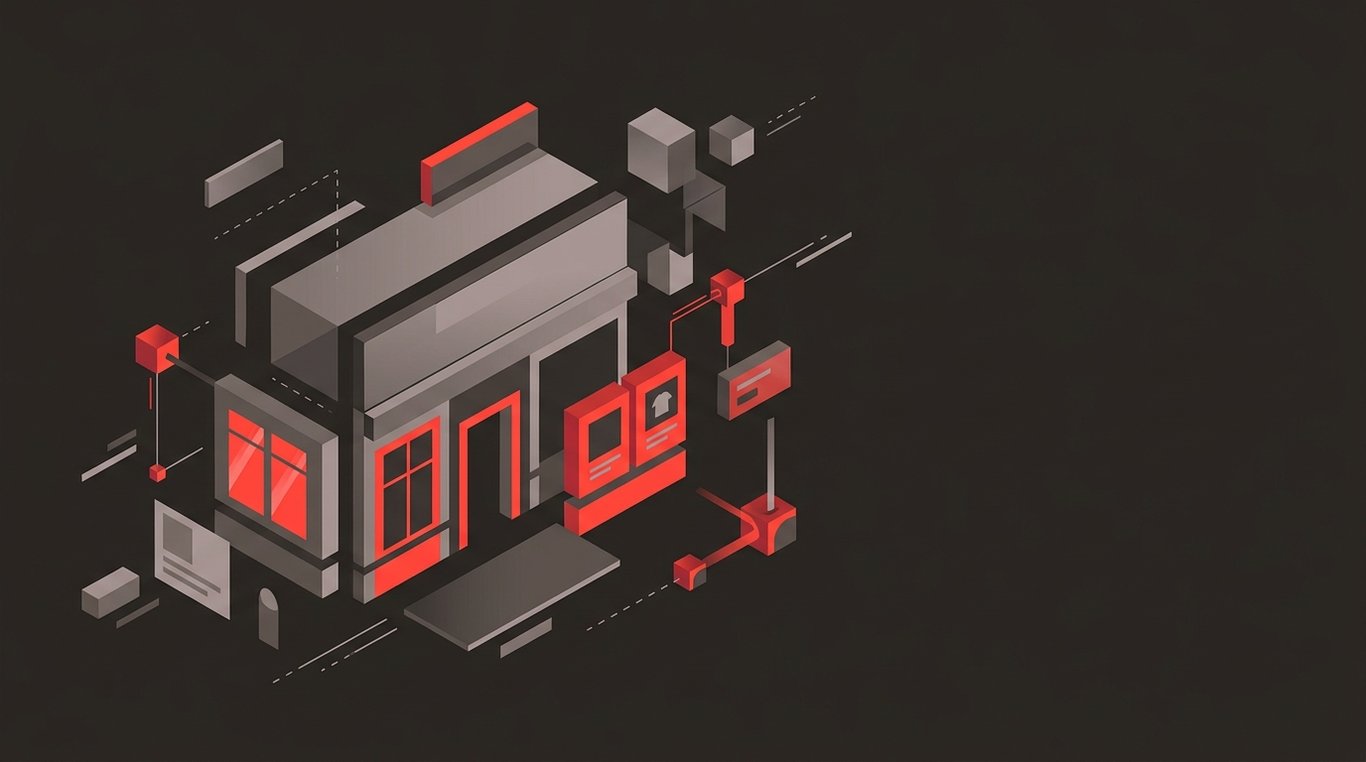
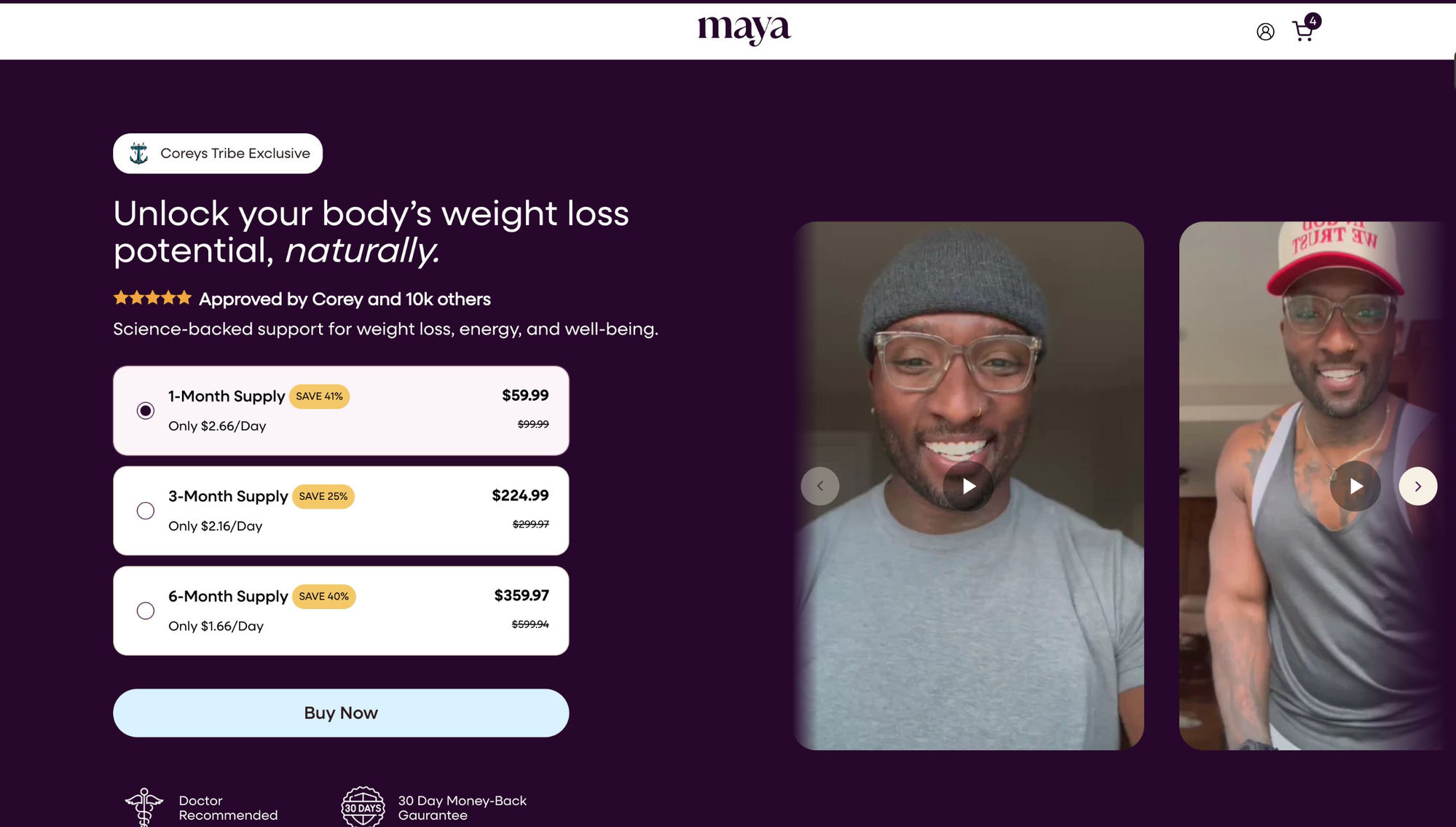
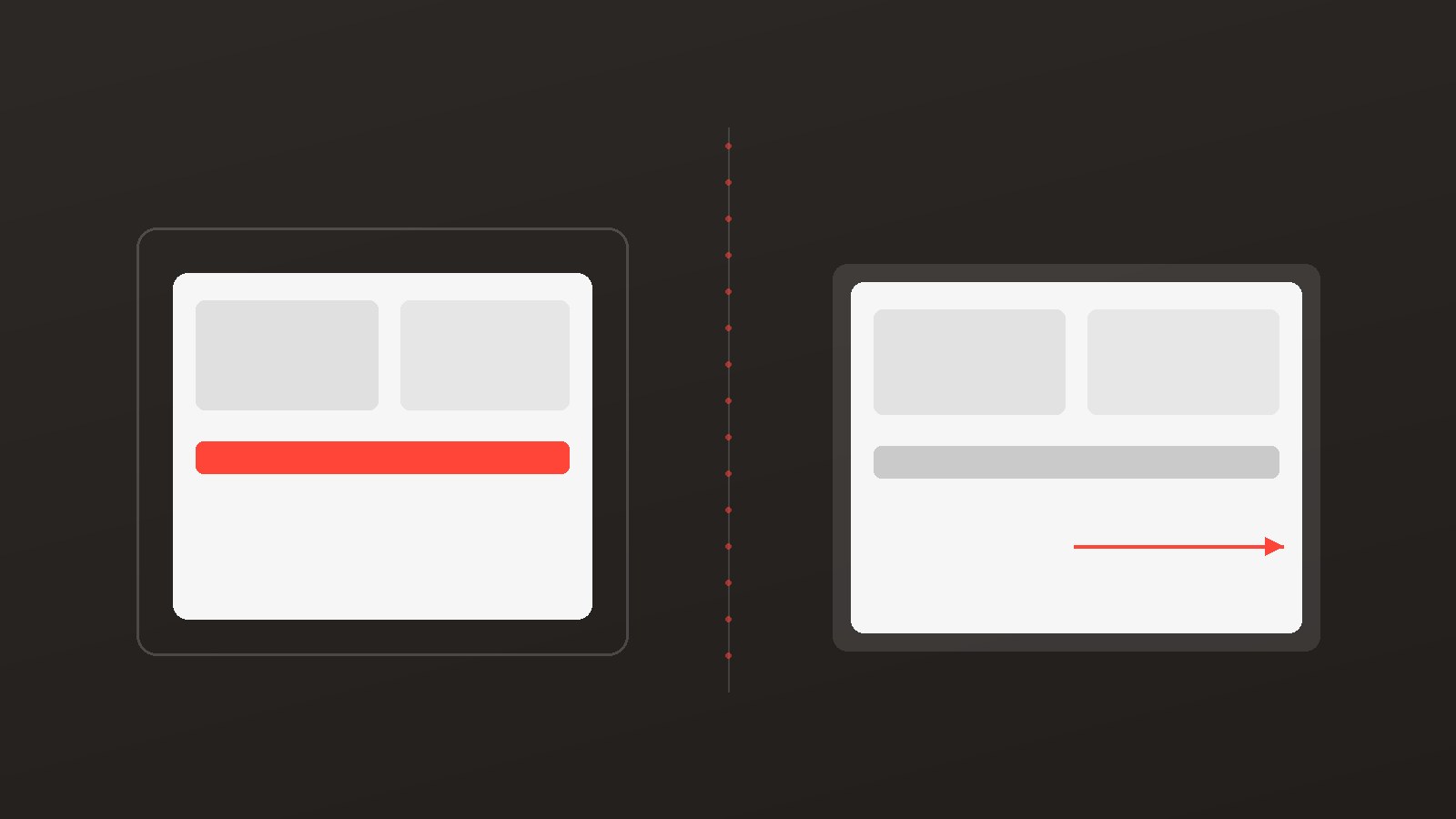
Here's what that looks like in practice: when a shopper clicks a creator's link, they land on the brand's own domain, not a third-party site. Above the fold, they see the creator's photo, name, and a personalized discount. Below, the creator's hand-picked products appear with discounted pricing and quote badges showing why the creator loves each item. On the product page, a sticky endorsement follows the shopper through specs and reviews. At checkout, the discount auto-applies: no code to type. Post-purchase emails reference the specific creator who drove the sale.
Who This Is For
This guide is built for brands running GoAffPro at any tier (Free, $49, $99+) who want to increase affiliate conversion rates. You should have an active GoAffPro account with at least 3-5 creators ready to launch, Shopify admin access, and a list of 5-10 creators you want to pilot with first.
If you're new to GoAffPro, start with our overview on co-branded storefronts and affiliate fundamentals, then come back here.
How Do You Set Up a Co-Branded Creator Storefront?
Step 1: Audit Your Top Creators and Define Your Pilot Group
Start with your highest-performing creators in GoAffPro. Pull a report on total clicks, conversion rate, average order value, and engagement level over the last 90 days. Pick 5-10 creators for your pilot, your power players who are already driving measurable revenue.
Step 2: Gather Creator Brand Preferences
Send each pilot creator a brief intake form covering their name/handle, primary color palette, tagline, 3-5 must-have products, and CTA preference. This takes 15 minutes per creator and ensures the storefront feels owned by them.
Step 3: Set Up Creator Profiles in CreatorCommerce
In the CreatorCommerce dashboard, add each pilot creator with their handle, display name, bio, profile image, and social profiles. Configure storefront settings including brand color overrides, hero section copy, featured products, and discount codes linked to their GoAffPro coupons.
CreatorCommerce stores this data in Shopify metaobjects, so it's native to your Shopify backend and fully queryable via the Unified API if you're using a headless setup.
Step 4: Configure Product Collections and Discount Codes
In your Shopify admin, create a product collection for your storefront program with 20-50 hero products. Then link each creator's unique discount code from GoAffPro into their CreatorCommerce profile. CreatorCommerce uses native Shopify discount infrastructure with maintained discount protection, so you can cap usage, set expiration dates, and prevent promo code leaks.
Step 5: Set Up Attribution and Order Tracking
CreatorCommerce handles this automatically. When a customer lands on a creator's storefront link (e.g., `yourstore.com/creators/alexchen`), the cc-creator-handle attribute gets written to the cart. At checkout, the creator's identity persists via order tags and note attributes. Orders are tagged in Shopify with the creator's handle, flowing into your reporting natively.
CC uses three specific cart attributes for attribution: cc-creator-id (unique creator identifier), cc-creator-handle (human-readable handle like "alexchen"), and cc-shop-id (merchant identifier). CC also preserves GoAffPro's existing tracking, so both platforms get accurate attribution simultaneously via dual-layer tracking. The CC Web Pixel adds full-funnel conversion tracking beyond cart attributes, capturing every click, page view, and shopper event.
Step 6: Test the Storefront End-to-End
Walk through the entire customer journey before going live. Have a pilot creator browse products, add to cart, confirm their name appears on the storefront and product pages, verify the discount auto-populates, and complete a test purchase. Check the backend: confirm order tags in Shopify, verify attribution, and test Klaviyo integration if connected.
Step 7: Launch and Promote
Set the storefront to live and share promotion assets with the creator: their direct link, social media graphics, email templates, and pre-written captions. Many creators love having a branded storefront and will push it immediately.
Step 8: Monitor Performance and Iterate
For the first 2-4 weeks, monitor storefront sessions, conversion rate, average order value, and product affinity per creator. Brands like Cozy Earth saw a 214% average CVR increase with co-branded storefronts, while Healf achieved 40.8% higher CVR versus standard homepage traffic. Use this data to optimize product selection and plan your next creator cohort.
Additional benchmarks: Buttah Skin saw 30% higher CVR and 78% higher AOV with co-branded pages. Crocs drove 350,000 sessions from a single creator storefront (Kai Cenat). Electro turned affiliate marketing into 81% of total ecommerce revenue. Use these as benchmarks when setting targets for your first creator cohort.
What Are the Most Common Storefront Setup Mistakes?
Launching with too many creators at once. Start with 5, nail the process, then scale to 20+. Each creator needs slight customization, and you want feedback loops while the setup is fresh.
Not syncing discount codes. If a creator's GoAffPro coupon changes, update it in CreatorCommerce immediately.
Skipping Shopify Flow automation. Set up a Shopify Flow that tags customers based on which creator's storefront they purchased from, then trigger Klaviyo sequences that reference the creator. This keeps creators engaged and customers connected.
Hiding the creator identity. Lean into it. Feature the creator's name, bio, and social links prominently. Customers like knowing who recommended a product.
How Do GoAffPro and CreatorCommerce Work Together?
Your GoAffPro affiliate program and CreatorCommerce storefront aren't competing; they're complementary layers of the same stack.
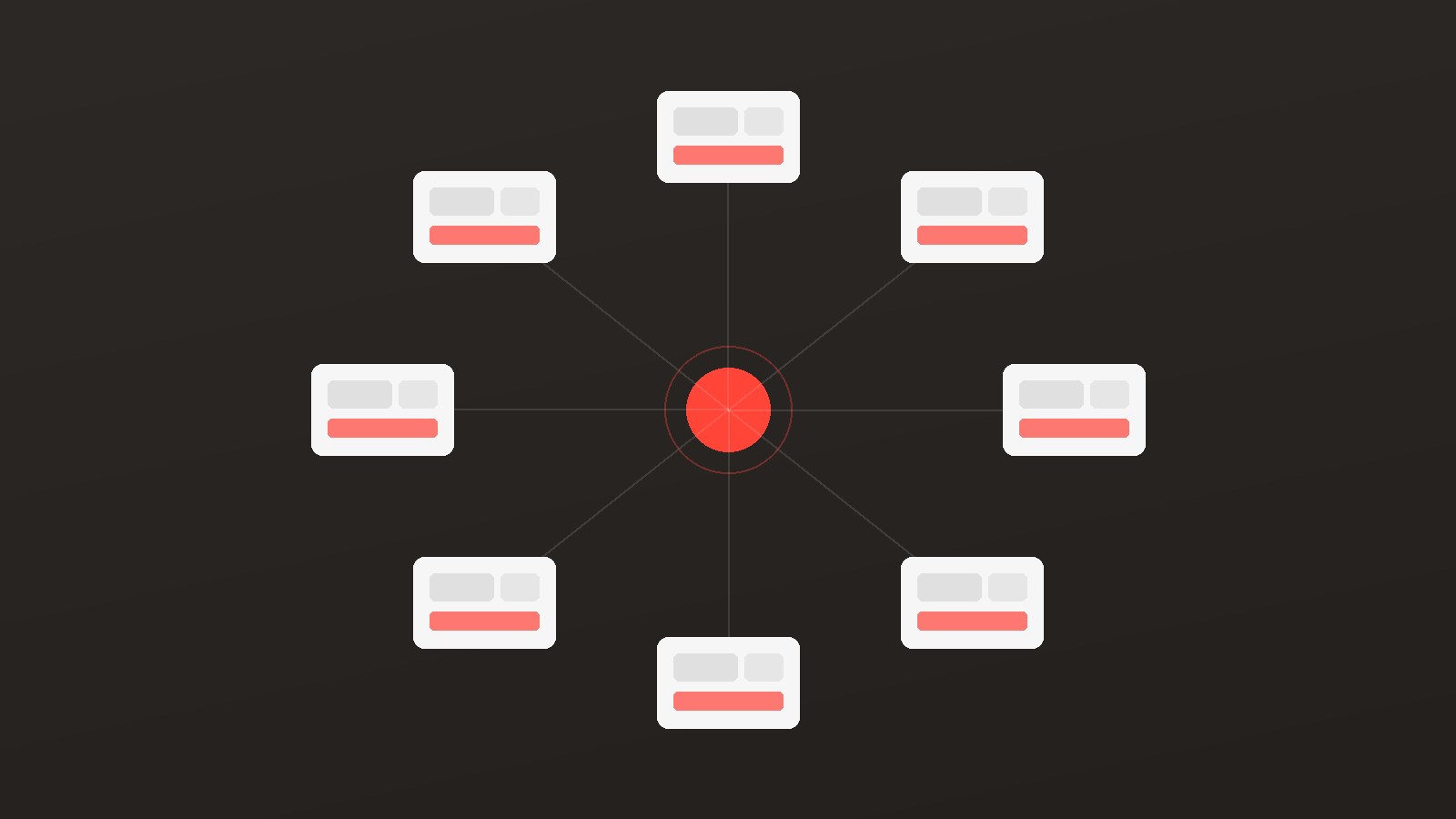
GoAffPro owns affiliate recruitment, onboarding, coupon and link generation, the affiliate portal, and payout calculations. CreatorCommerce adds the co-branded storefront on your domain, conversion-optimized product pages, creator-specific landing experiences, and on-domain attribution.
The traffic flow: Creator promotion → Creator's storefront on your domain → Product pages → Checkout with auto-applied discount → Order tagged with creator handle → GoAffPro payout triggered.
For more detail on how these platforms stack, see our complete guide to GoAffPro and CreatorCommerce co-branded storefronts.
Related Articles
- 100 creative co-branded storefront use-cases (By category)
- An A+ influencer co-branded shopping experience from Thorne
- Co-branding will eat the world: why collaboration is the future of growth
- Introducing CreatorCommerce's New Co-Branded Page Builder
- Sephora is just the beginning: Why every brand can win with creator storefronts
- Support for co-managed storefronts is here - fueling more brand/creator collaboration
- Foraging together a co-branded shopping funnel: The 6 essential elements
FAQ
Do we need a separate Shopify store for the creator storefronts?
No. CreatorCommerce storefronts run on your existing Shopify store as URL paths on your domain (e.g., `yourstore.com/creators/alexchen`). No separate store, no separate inventory, no extra Shopify fees. Everything syncs to your main catalog in real time.
Can creators customize their storefront beyond color and product selection?
Yes, depending on your implementation. Standard Online Store 2.0 themes allow customization via the CreatorCommerce UI (colors, bio, featured products, discount code). Headless implementations using the Unified API give developers full control for completely bespoke storefronts per creator.
How much does this cost on top of GoAffPro?
GoAffPro runs $0-$99+ depending on tier. CreatorCommerce starts at $500/month. Book a demo to discuss your specific setup and pricing based on creator count and feature requirements.
Can we A/B test different storefront designs?
Yes. CreatorCommerce supports creating multiple storefront variants. Run Version A with one product set and Version B with another, then measure conversion rate and AOV to find what works.
Where can I find the GoAffPro setup guide?
See our GoAffPro integration guide in the Help Center for step-by-step instructions. For storefront development specifics, see the landing pages guide and App Blocks 101.
Ready to set up your first creator storefront? Book a demo with CreatorCommerce and go from GoAffPro links to on-domain storefronts.
Related reading
- Affiliate onboarding best practices
- Automating workflows with shopify flow
- Protecting your creator discount codes
For more context on how storefronts improve conversion, see our data on affiliate links vs. landing pages and how to improve GoAffPro affiliate conversion rates.


%201.png)
%201.png)
