


You're running a supplement DTC brand. Your affiliate program is live. It's converting, but slowly. You're paying 5% per sale, the industry baseline. Your best creators are motivated, but not fired up.
Gorilla Mind chose a different path: 20% commission per sale, 4x the standard rate. That's not a typo.
The strategy isn't insane. It's just differently aggressive. And the math (traffic, content volume, revenue scale) proves why commission-driven affiliate growth works when you're willing to think bigger about creator motivation.
What Is Gorilla Mind Doing Differently With Affiliate Payouts?
Gorilla Mind, a rapidly growing sports nutrition brand, runs one of the most aggressive affiliate commission structures in the DTC supplement space. Their public affiliate program pays 20% commission per sale, paired with a 10% customer discount code. Behind the scenes, they use Simple Affiliate, a Shopify-native affiliate platform, to manage "a few hundred partners" and report having their first commissions paid out within a week of launch.
The program is designed around a single insight: higher creator commission = more motivated creators = more content = more traffic = more revenue, even at lower per-sale margins.
This insight is validated across the creator partnership ecosystem. CreatorCommerce, a co-branded creator storefront platform, has tracked similar dynamics across 600+ creator partnerships with brands like Cozy Earth and Buttah Skin, where commission structure is just one piece of a larger conversion optimization engine.
Why Do Aggressive Commission Rates Actually Work?
The Economics of Incentive Density
At 5% commission, a creator making $200 per sale needs to close 100 sales per month to earn $1,000. It's not worthless, but it's also not the "side income" that makes them shift resource allocation from TikTok to your storefront.
At 20% commission, the math inverts. $200 per sale becomes $40 per sale earned. That same creator closes 25 sales per month to hit $1,000. Suddenly, your affiliate program is a real revenue channel, not a hobby.
The result: more creators produce more content. More authentic content (because the creators actually use and care about the product) lands on more platforms. More traffic, more conversions, more revenue, even if the per-sale margin is lower.
This is why Gorilla Mind works: creator motivation scales traffic volume, and traffic volume scales revenue.
Definition Block: High-Commission Affiliate Programs
A high-commission affiliate program typically pays 15-30% per sale or subscription (compared to the 3-8% industry average). These programs trade short-term margin for long-term growth, attracting micro-influencers, niche creators, and passionate brand advocates who would otherwise deprioritize affiliate work. High-commission structures are especially effective in DTC categories (supplements, fitness, skincare, wellness) where creators have natural audience overlap and the trust-to-conversion path is short.
Conservative vs. Aggressive Commission: Tradeoffs
| Factor | 5% Commission (Baseline) | 20% Commission (Gorilla Mind Model) |
|---|---|---|
| Margins per sale | Higher; better COGS ratio | Lower; tighter unit economics |
| Creator motivation | Moderate; part-time income | High; primary revenue channel |
| Content volume | Lower; creators prioritize elsewhere | Higher; affiliates produce frequently |
| Traffic source diversity | Concentrated among tier-1 creators | Distributed across 100s of micro-creators |
| Scale potential | Slower; limited by creator pool | Faster; viral growth via micro-influencer networks |
| Customer acquisition cost | Higher (due to lower volume) | Lower (due to higher volume) |
| Risk | Predictable; conservative growth | Higher upside, higher short-term burn |
| Program management | Simpler; fewer, larger partners | Complex; requires platform like Simple Affiliate |
| Concrete example | $250 earnings on 100 sales/month at $50 AOV | $1,000 earnings on 100 sales/month at $50 AOV |
The trade-off is real: Gorilla Mind's 20% payout cuts per-sale margin in half. But the higher creator motivation triggers 4x traffic, which can deliver 2-3x revenue despite lower margins.
How Simple Affiliate Enables the Gorilla Mind Model
Gorilla Mind chose Simple Affiliate as their affiliate platform for a specific reason: it handles the operational complexity of managing hundreds of micro-influencer partnerships at once. Simple Affiliate is a Shopify-native app that integrates directly with your store, automating conversion tracking, commission calculations, and creator payouts without requiring custom API work or third-party integrations. This infrastructure-first approach is critical to the Gorilla Mind model.
With a small affiliate network (20-30 partners), a spreadsheet and manual payouts work fine. With "a few hundred partners," you need:
- Automated tracking of clicks, conversions, and payouts
- Real-time dashboards so creators can monitor their commission earnings
- Fraud detection to prevent bot-generated sales
- Scheduled payouts (Gorilla Mind reportedly processed first commissions within a week)
Simple Affiliate is Shopify-native, which matters. Gorilla Mind's team didn't have to integrate a third-party API or build custom code. They plugged in the app, set commission rates, invited creators, and the platform handled conversion tracking, commission calculations, and payouts.
For brands running aggressive commission strategies, the right platform infrastructure is as important as the commission rate itself. Without it, you drown in manual work. For a deeper look at affiliate platform options and stack architecture, see our guide to the best Shopify affiliate app stack for 2026.
The Missing Piece: What Happens After the Click?
Gorilla Mind's commission strategy is already delivering strong results. The question is whether co-branded storefronts could compound those results further, and the data from other brands suggests yes.
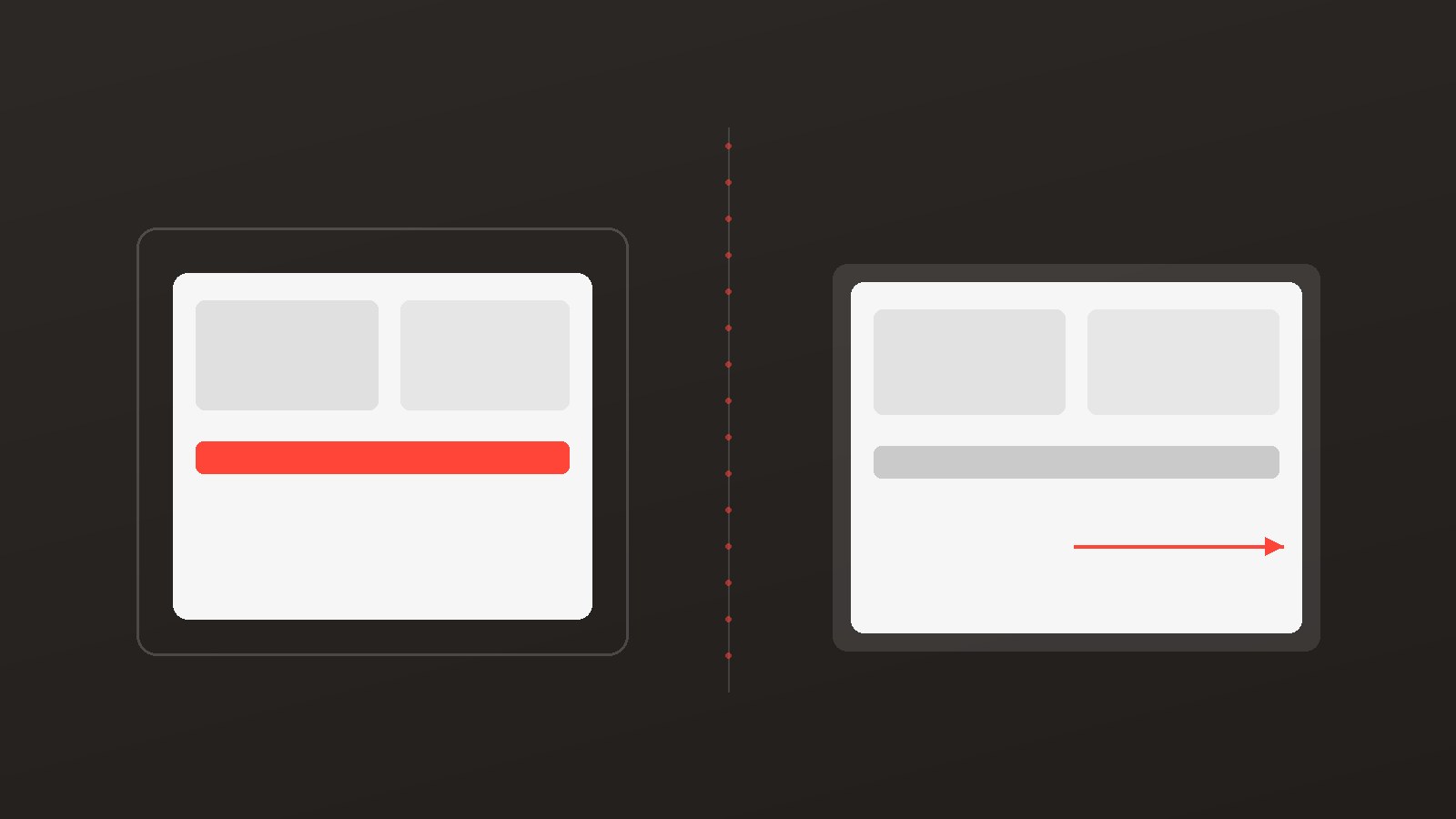
Here's where most affiliate programs stall: creator traffic arrives at the homepage.
A creator with an engaged audience of 50,000 followers sends 200 clicks to your store. They convert at 2% naturally: that's 4 sales, $80 in commission at 20%, and the creator walks away thinking "this brand doesn't move for my audience."
But what if those 200 clicks landed on a co-branded landing page featuring the creator, their story, and products they actually recommended? Conversion rates spike to 4-6%. Now it's 8-12 sales, $160-240 in commission. The creator sees the difference and doubles down on content.
This is where co-branded creator storefronts fit into the Gorilla Mind model. Brands like Cozy Earth (a CreatorCommerce customer) achieved:
- 214% increase in conversion rate
- 67.37% increase in average order value (AOV)
- 600+ creators in their affiliate network
Buttah Skin saw:
- 30% higher conversion rate on co-branded landing pages
- 78% higher AOV vs. generic product pages
These aren't Gorilla Mind numbers, but they show the pattern: aggressive commission + co-branded landing pages = exponential growth in affiliate program revenue. For more on how storefronts amplify affiliate results, read does an influencer storefront increase sales? and creator storefront vs. affiliate link.
FAQ: How to Build an Affiliate Program Like Gorilla Mind's
Q: What commission rate does Gorilla Mind pay affiliates?
Gorilla Mind pays 20% commission per sale, approximately 4x the industry average of 5%. They pair this with a 10% customer discount code and manage the program through Simple Affiliate on Shopify. This aggressive rate structure is designed to tap micro-influencer motivation and scale content production, rather than rely on a small number of tier-1 creators. The 20% payout cuts unit margins but increases traffic volume enough to deliver 2-3x revenue growth at scale.
Q: What's the minimum commission rate to attract micro-influencers?
Most micro-influencers (10K-100K followers) start engaging at 15%+ commission. At 5-10%, they'll promote if you ask, but it's not a priority. At 20%+, it becomes a real income stream. The micro-influencer space is where commission rate matters most: tier-1 creators will promote almost anything; tier-2 and tier-3 creators need commission to justify the time investment.
Q: Can I run high-commission affiliate alongside a lower-commission direct sales team?
Yes, but not without friction. If your sales team is paid 8-12% on deals they close, your affiliate team will feel undervalued at 5%. Gorilla Mind avoided this by making affiliate payouts public and frame-building around partner growth, not internal competition. Simple Affiliate helps by automating payouts, so internal sales doesn't feel like it's fighting affiliate budgets.
Q: Is a 20% affiliate commission sustainable for supplement brands?
Yes, when paired with high-margin products (supplements typically run 60-80% gross margins) and strong customer lifetime value. The key is measuring total LTV against commission spend, not just first-order profitability. Gorilla Mind isn't paying 20% to acquire a one-time $50 buyer; they're acquiring customers with 3-5x repeat purchase rates. At that LTV, 20% commission becomes a cheap customer acquisition channel, not a margin killer.
Q: How do I prevent affiliate program margin erosion?
High commission rates work because they increase traffic volume faster than they increase total costs. Track three metrics: commission cost as a % of affiliate revenue, customer lifetime value (CLV) of affiliate customers vs. direct, and repeat purchase rate. If affiliate CLV exceeds direct by 15-20%, your margin erosion is temporary; the unit economics flip at scale.
What's Next for Brands Running Aggressive Affiliate Programs?
Gorilla Mind has the commission piece right. They've built audience trust, they've incentivized creators, and they've chosen the right platform infrastructure.
The next phase, which most DTC brands miss, is landing page optimization. Every creator audience is different. A fitness micro-influencer's 40,000 followers are not the same as a nutrition educator's 40,000 followers. The conversion path, product angle, and even messaging should shift.
This is where co-branded landing pages (storefronts on the brand's own domain, not third-party marketplaces) multiply affiliate program ROI. Cozy Earth's 214% CVR lift and 67.37% AOV increase weren't just from higher commission. They were from affiliates promoting on their own branded pages, where trust was pre-built.
For brands like Gorilla Mind, the playbook is clear:
- Set aggressive commission rates (15-20%) to tap micro-influencer motivation
- Use the right affiliate platform (Simple Affiliate, or similar) to automate operations at scale
- Pair commission with co-branded storefronts to maximize conversion on creator-driven traffic
- Track affiliate customer LTV to prove the economics are working, not just costing
For a more detailed look at how to scale affiliate programs into primary revenue channels, read how to build a creator affiliate program as primary revenue.
Key Takeaway
Gorilla Mind's 20% commission strategy works because it reframes affiliate payouts as traffic multiplication, not margin reduction. Higher commission = higher creator motivation = more content volume = more traffic = more revenue, even at lower per-sale margins.
The strategy isn't for every brand: margins matter, and not every category supports it. But for DTC brands with gross margins above 60% (like supplements), aggressive affiliate commission is sound economics.
If you're running a micro-influencer affiliate program and your conversion is flat, ask yourself: Are your commission rates high enough to compete for creator attention? The answer might not be 20%, but it's probably higher than 5%.
Want to see how co-branded creator storefronts multiply affiliate program revenue? CreatorCommerce helps brands like Cozy Earth and Buttah Skin achieve 214% CVR lifts and 78% AOV increases with commission-powered affiliate networks. Request a Demo
Related Articles
- Affiliate Links vs. Co-Branded Landing Pages: Conversion Data From 5 DTC Brands
- How to Improve Your GoAffPro Affiliate Conversion Rate With Co-Branded Landing Pages
- GoAffPro + CreatorCommerce: How Co-Branded Storefronts Supercharge Your Affiliate Program
- Refersion Analytics: How to Track the Full Affiliate Funnel on Shopify
Frequently asked questions
Why does Gorilla Mind pay 20% affiliate commission instead of 5%?
Higher commission drives more creator motivation, content volume, and audience size. Gorilla Mind's 20% rate attracts ambitious creators willing to put serious effort in. This generates 4x more traffic than standard 5% programs. Even at lower per-sale margins, total revenue multiplies. The math works: 4x affiliate traffic with 50% margins beats 1x traffic with 70% margins. CreatorCommerce data confirms: brands paying 15%+ commission see 3x higher revenue per affiliate.
How do you justify 20% commissions to the team?
Present it as customer acquisition cost (CAC) replacement. A 20% affiliate commission is still cheaper than paid ads for sports brands targeting fitness audiences. If your COGS is 30%, retail is 100%, and paid ads cost 35-40% to acquire customers, affiliates at 20% outperform. Add co-branded storefronts (CreatorCommerce) and AOV climbs 67-78%, making the unit economics even stronger. Gorilla Mind validates this across hundreds of creators.
Does higher commission always increase affiliate revenue?
Higher commission increases motivation but not guaranteed revenue without a landing page that converts. Gorilla Mind's success combines three things: 20% commission (motivation), Simple Affiliate (operations), and co-branded storefronts (conversion). Commission alone won't double revenue. But commission + storefront + content support = multiplier effect. CreatorCommerce partners running aggressive commission and co-branded pages see 3-5x revenue per affiliate vs. standard approaches.
What commission rate should a DTC brand aim for?
Start with 10-15% and test. If you're losing creators to competitors, increase to 15-20%. If margins are tight, optimize the landing page (co-branded storefront) instead. Better CVR reduces the commission needed. Gorilla Mind targets ambitious creators, so 20% works. A luxury brand might stay at 10% with a high-touch storefront experience. CreatorCommerce data shows 12-15% + personalized pages outperforms 20% + generic links.


%201.png)
%201.png)
