


Superfiliate + CreatorCommerce: The Full Stack Setup Guide
Superfiliate manages affiliate tracking and creator recruitment, while CreatorCommerce builds conversion-optimized co-branded storefronts. Together, they create a complete creator commerce stack: Superfiliate handles program management and payments, CreatorCommerce handles the shopping experience, and both sync creator data automatically for accurate attribution.
You've probably seen the stats. Cozy Earth saw a 214% increase in conversion rate and 67.37% AOV lift running their creator program. Healf hit a 40.8% CVR increase with 1,700+ creator storefronts. But here's what those brands understood: affiliate tracking and beautiful creator shopping experiences are two different problems.
Superfiliate handles one. CreatorCommerce handles the other. Together, they're the complete Superfiliate CreatorCommerce integration stack.
CreatorCommerce is a Shopify-native platform that builds co-branded creator storefronts on your brand's own domain. This guide walks you through the full setup: from initial connection through live creator storefronts. No developer required.
Why Pair Superfiliate With CreatorCommerce?
Before we get into setup, let's clarify the division of labor.
Superfiliate (the Shopify app with 5.0 stars and 34 reviews) owns the program management layer: affiliate tracking, commission logic, creator recruitment via DM automation, Meta Partnership Ads, payment processing, and reporting.
CreatorCommerce owns the shopping experience layer: co-branded landing pages, product pages, carts, checkout, pop-ups, Shopify-native attribution via metaobjects and cart attributes, discount protection, full-funnel conversion tracking via the CC Web Pixel, Shopify Markets support, and Klaviyo creator context in lifecycle emails.
The result: you recruit and pay creators through Superfiliate. Customers shop through conversion-optimized co-branded experiences built in CreatorCommerce. Creator data flows from Superfiliate into your CC-powered pages automatically.
Think of it like this: Superfiliate is your CRM for creators. CreatorCommerce is your storefront for their customers. For a detailed comparison of both platforms, see Superfiliate vs CreatorCommerce.
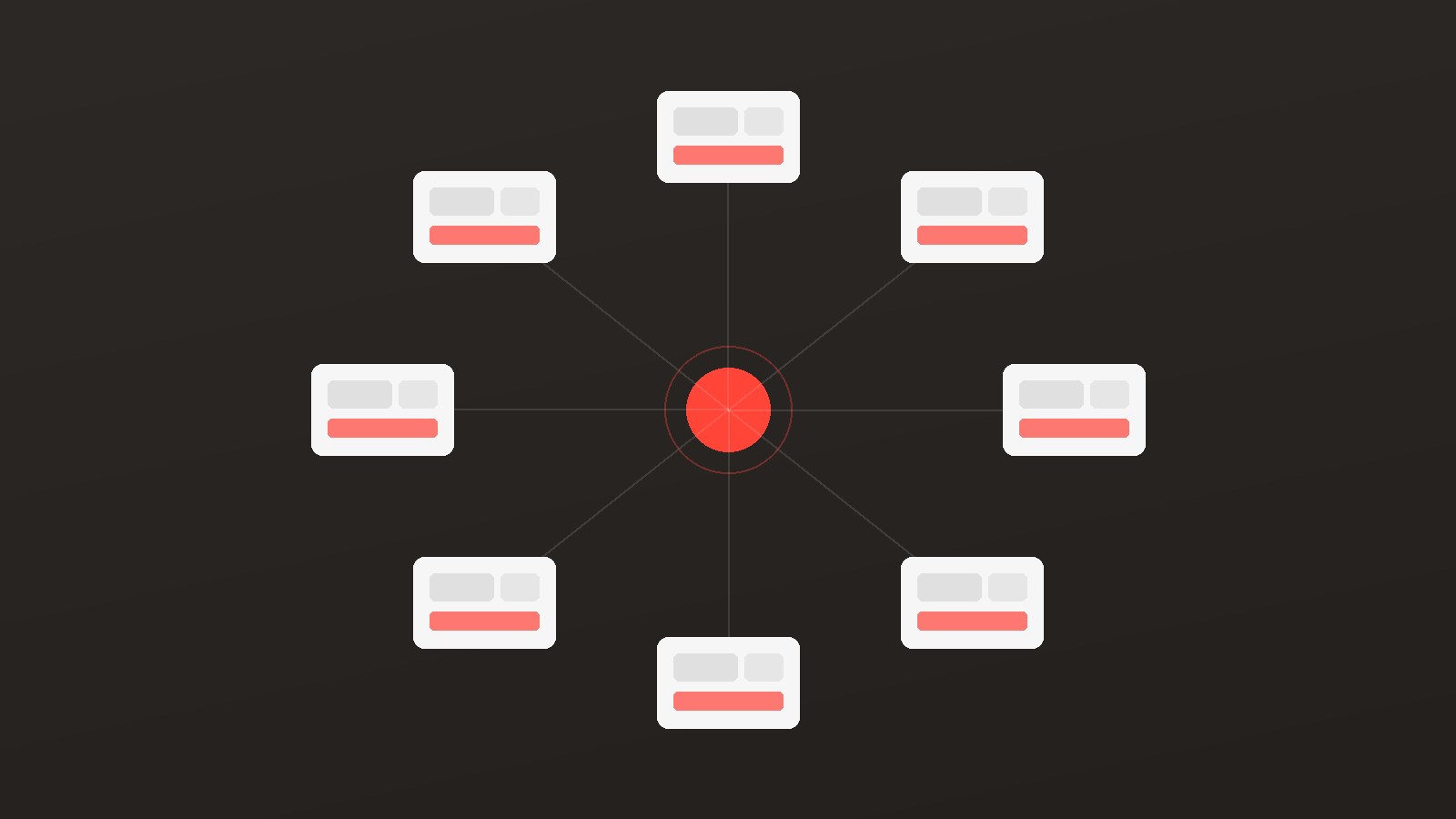
How Does the Technical Architecture Work?
Superfiliate connects as a Shopify app in under 15 minutes. It auto-syncs your product catalog and creates a unique tracking link for every creator. Every link becomes a co-branded landing page automatically.
CreatorCommerce uses Shopify metaobjects to store creator profiles (bio, products, media). When a customer lands on a creator's page, the CreatorCommerce SDK writes the creator handle to the cart as a cart attribute (`cc-creator-handle`). This single data point connects the entire customer journey (landing page, product browsing, checkout) back to that creator.
From there:
- Shopify Flow triggers automations based on creator events
- Klaviyo integration passes creator context into lifecycle emails
- Order tags and metafields let you segment and analyze by creator performance
- CC Web Pixel tracks every click, page view, add-to-cart, and purchase
For the technical deep dive on Superfiliate's Shopify connection, see Superfiliate Shopify Integration and Superfiliate Theme Integration.
Step-by-Step Setup Guide
Step 1: Install and Connect Superfiliate
Head to the Shopify App Store and install Superfiliate. The app will guide you through OAuth. Approve the connection and Superfiliate gains read/write access to your store.
Once installed, Superfiliate automatically syncs all products and SKUs, current pricing, product images and metadata, and brand information. This sync is continuous.
Time required: 5 minutes
Step 2: Set Your Commission Structure in Superfiliate
Inside Superfiliate, define how creators earn: flat percentage per sale, tiered commissions, fixed amount per product, or combinations. Superfiliate tracks every creator link independently, so each creator can have their own commission tier.
Time required: 10 minutes
Step 3: Install CreatorCommerce
Add CreatorCommerce from the Shopify App Store. Approve the OAuth connection. CreatorCommerce will confirm your Shopify store is running Online Store 2.0 (required) and detect your active theme.
Once installed, CreatorCommerce creates a Creator metaobject type, cart attributes for attribution tracking, and a CC Web Pixel for conversion reporting. All automatic. For the full walkthrough, see How to Set Up CreatorCommerce on Shopify.
Time required: 3 minutes
Step 4: Create Your First Creator Profile
In CreatorCommerce, add a creator with their name, bio, profile image, creator handle, featured products, and media (UGC videos, photos). CreatorCommerce stores this as a metaobject that your theme can now access.
Time required: 5 minutes per creator
Step 5: Enable Attribution Tracking
Go to CreatorCommerce settings and enable the SDK. This activates automatic cart attribute tracking. When a customer lands on a creator's page, the SDK writes `cc-creator-handle: @creator_name` to the cart. This travels through checkout and lands on the order as a cart attribute.
If you're using a headless storefront, use the CreatorCommerce Unified API and host the SDK in your frontend (like Healf does with their 1,700+ storefronts).
Time required: 2 minutes
Step 6: Configure Shopify Flow Automations
Open Shopify Flow and create workflows triggered by creator events. For example: when a cart attribute `cc-creator-handle` is set, tag the order with the creator handle for segmentation. You can also trigger email notifications to creators on sales, increment monthly counters, or update creator tiers.
Time required: 15 minutes
Step 7: Connect Klaviyo for Creator-Attributed Emails
In CreatorCommerce, connect your Klaviyo account via OAuth and enable "Pass creator context to Klaviyo." In Klaviyo, create a segment for orders where `cc-creator-handle` exists, then build email flows for creator-attributed customers (e.g., post-purchase review request from the creator).
Time required: 10 minutes
Step 8: Customize Co-Branded Pages
This is where the conversion lift happens. In your Shopify theme, add creator context to landing pages (creator name, bio, featured products), product pages (creator quotes, UGC videos), cart (show which creator the customer is shopping with), and checkout (keep creator attribution visible).
Many OS 2.0 themes support this natively via app blocks. Check your theme docs first.
Time required: 20-30 minutes (theme-dependent)
Step 9: Test the Full Flow
Create a test creator in both Superfiliate and CreatorCommerce:
- Generate a Superfiliate link for the test creator
- Click the link and confirm it lands on the co-branded page
- Add a product to cart
- Check that `cc-creator-handle` is present in the cart
- Complete checkout
- Verify the order in Shopify includes the cart attribute and creator tags
- Confirm Superfiliate recorded the sale
If all steps work, you're live.
Time required: 10 minutes
Step 10: Scale Across Your Creator Network
Repeat steps 4-5 for each new creator. Superfiliate handles recruitment and onboarding (including DM automation via Meta Partnership Ads). CreatorCommerce handles the shopping experience. Both platforms scale without friction.
Time required: 5 minutes per creator
Advanced: Discount Protection & Full-Funnel Analytics
Once live, enable two critical features:
Discount Protection (CreatorCommerce): Prevent customers from using leaked promo codes on creator-attributed orders. This ensures commission integrity and protects your margins. For more on this, see how to stop affiliate promo code leaks on Shopify.
CC Web Pixel (CreatorCommerce): Track page views, add-to-cart events, checkout starts, and purchase completions, all by creator. Send this data to GA4, Segment, or your analytics stack for full-funnel reporting.
Real-World Example: The Healf Pattern
Healf runs a similar architecture: Social Snowball for affiliate management + CreatorCommerce for storefronts. The result? 1,700+ creator storefronts with a 40.8% CVR increase, each driving traffic back to Healf's brand store.
The pattern works the same with Superfiliate: program management in the affiliate tool, shopping experience in CreatorCommerce, creator data syncing between them, orders flowing back with attribution intact.
This is the difference between running an affiliate program and running a creator storefront program. The affiliate link gets the click. The storefront gets the conversion.
Related Articles
- How to Improve Your GoAffPro Affiliate Conversion Rate With Co-Branded Landing Pages
- Refersion Analytics: How to Track the Full Affiliate Funnel on Shopify
- The Complete GoAffPro Shopify Affiliate Program Guide
- Does an Influencer Storefront Increase Sales? Data from 5 Brands
FAQ
Q: Do I need a developer to set this up?
A: No. Both Superfiliate and CreatorCommerce install via the Shopify App Store with OAuth. Theme customization may require basic Liquid knowledge, but many OS 2.0 themes support creator context via app blocks with no code.
Q: How long does the full setup take?
A: About 60-90 minutes for both platforms, including your first creator profile and test flow. Scaling to additional creators takes about 5 minutes each.
Q: What if I'm already running Superfiliate without CreatorCommerce?
A: You can add CreatorCommerce at any time. It layers on top of your existing Superfiliate setup: no disruption to your current creator program.
---
What's Next?
You now have the infrastructure for a full-stack creator commerce program:
- Recruit creators via Superfiliate's built-in tools
- Set creator-exclusive discounts in CreatorCommerce
- Monitor early performance via Shopify Flow automations and CC Web Pixel data
- Iterate on storefront design based on what converts
The brands seeing the biggest wins, like Cozy Earth and Healf, aren't using affiliate links alone. They're building storefronts. This guide is your blueprint.
Book a Demo with CreatorCommerce
Related Reading:
- Superfiliate Shopify Integration
- Superfiliate Theme Integration
- How to Set Up CreatorCommerce on Shopify
- Co-Branded Landing Pages
Where can I find step-by-step setup documentation?
CreatorCommerce's Help Center has detailed guides for every step. Start with Getting Started with Landing Pages (Liquid) and Getting Started with Onboarding on CreatorCommerce for the implementation specifics covered in this article.
Related reading
---



%201.png)
%201.png)
